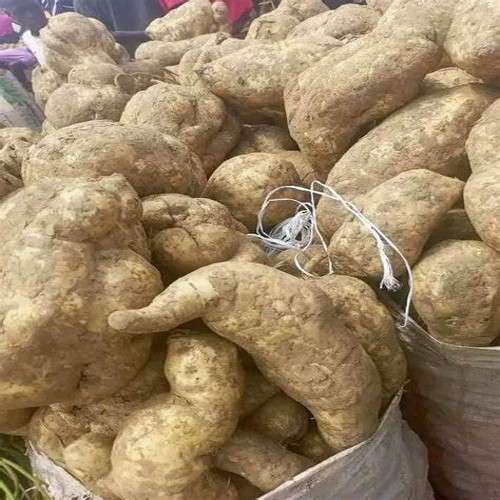
Falling food prices hit sweet potato traders in Bauchi
By Ahmed Ahmed
Sweet potato sellers and farmers in Bauchi State have raised concerns over declining patronage, blaming the situation on the recent drop in food prices across major markets in the state.
Checks at the Wuntin Dada area of Bauchi metropolis, Malam Baba Ahmed, a sweet potato trader, lamented that sales have dropped sharply compared to the previous year.
According to him, despite an abundant harvest during the current farming season, buyers have shown little interest in sweet potatoes.
“Last year, we made brisk sales because food prices were generally high and people relied more on alternatives like sweet potatoes.
“This year, although farmers recorded a bumper harvest, the patronage is not there because prices of other food items have dropped.” Ahmed said.
Another trader at Wunti Market, Mr. Audu Bala, echoed similar concerns, noting that consumers are now opting for staples such as rice, maize, and beans, whose prices have also declined.
He explained that the fall in prices has negatively affected their business.
“Last year, a bag of sweet potatoes sold for about ₦15,000, but this year we are selling the same bag for as low as ₦5,000.
“A big basket that sold for ₦4,000 last year went down to ₦500 at some point, and now it is selling for about ₦1,500 or even less. Honestly, our business has declined.”Bala said
A farmer, Musa Garba, also lamented the drop in prices of food items, saying that while consumers may be benefiting, farmers and produce sellers are struggling to cover their costs.
He urged the government to intervene by supporting farmers with subsidised farm inputs or by creating mechanisms to stabilise produce prices.
An agronomist, Mr. David Markkus, attributed the drop in food prices to several factors, including increased local harvests, the release of hoarded food stocks, improved supply chains, and government interventions.
He noted that seasonal factors have also contributed to lower prices of staples such as rice, maize, beans, and tomatoes.
Markkus added that while the development has provided relief to consumers, price variations still exist and sustained support for farmers is necessary to ensure long-term food security and economic balance.