CHAMPS Trains 30 Bauchi Health Workers on Infection Prevention to Protect Newborns, Children
By Ahmed Ahmed
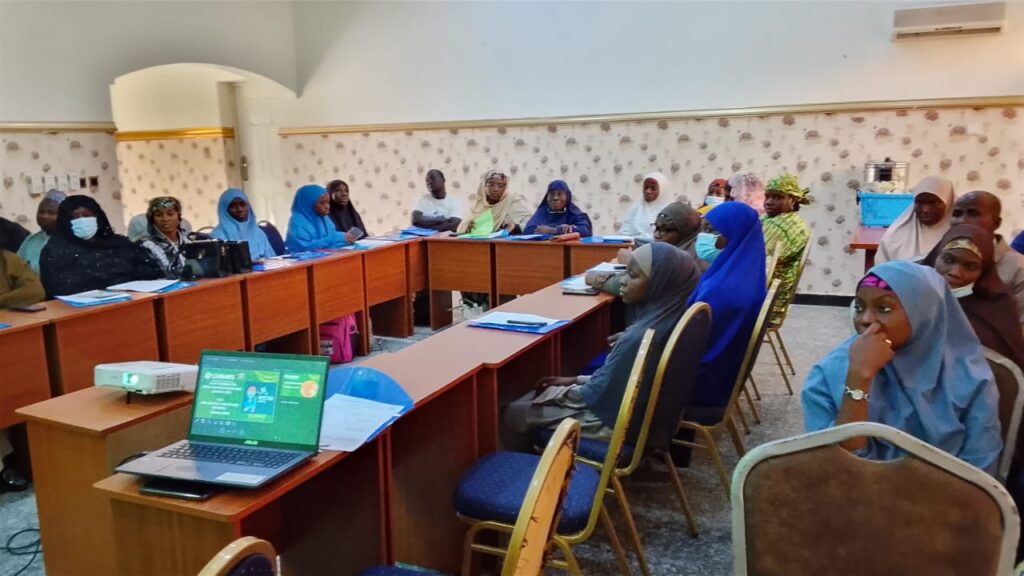
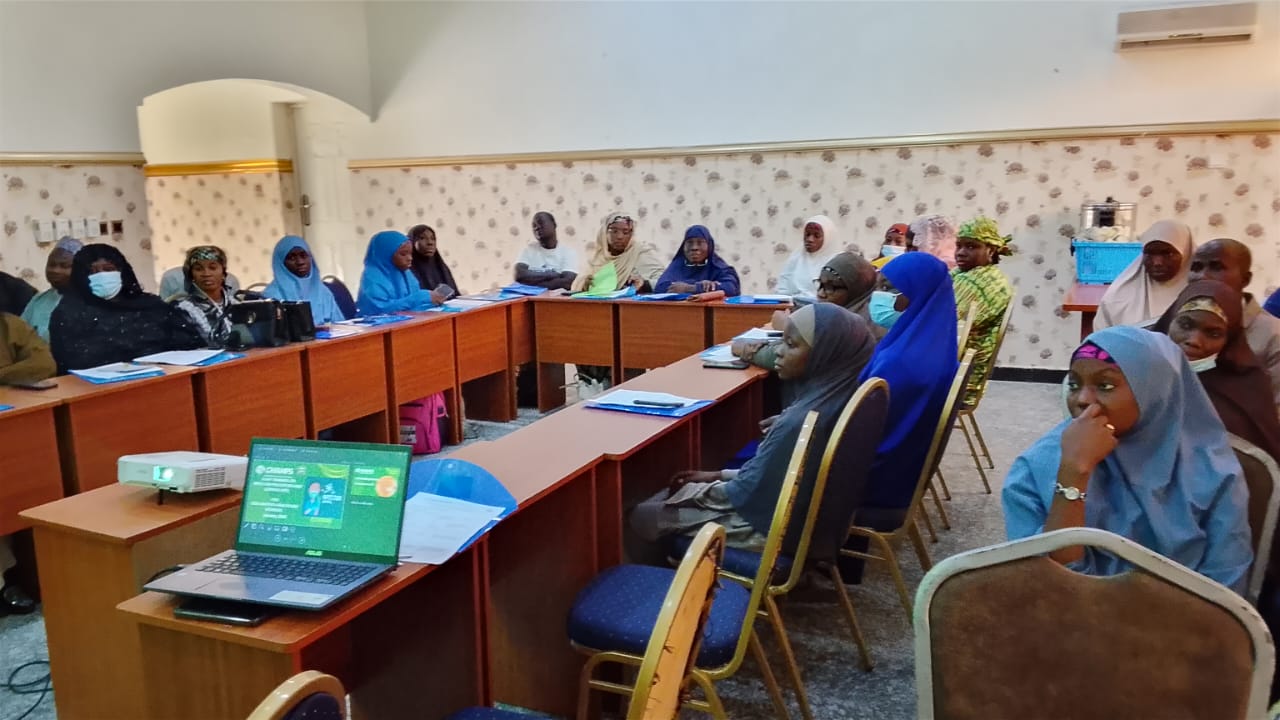
The Child Health and Mortality Prevention Surveillance (CHAMPS) Programme at the College of Medical Sciences, Abubakar Tafawa Balewa University (ATBU), Bauchi, has commenced capacity building for 30 healthcare workers drawn from the Special Care Baby Unit (SCBU) and the Emergency Paediatric Unit/Early Pregnancy Unit (EPU) of Abubakar Tafawa Balewa University Teaching Hospital (ATBUTH) and the Specialist Hospital, Bauchi.
The training, a three-day programme on Infection Prevention and Control (IPC) with emphasis on the foundations of IPC and hand hygiene, began on Monday in Bauchi.

Speaking at the opening, Dr. Abubakar Sari, Lead Data-to-Action Officer of the CHAMPS Project for the Bauchi Catchment Area, expressed concern over the high burden of infections, particularly among children under five years of age.
He noted that hospital-acquired infections remain a major contributor to morbidity and mortality in paediatric and neonatal care, stressing the need for continuous training of frontline health workers.
Dr Sari explained that the objectives of the training include introducing participants to the goals of the programme, aligning expectations, and assessing baseline knowledge of IPC practices.
He added that the sessions are designed to strengthen participants’ understanding of IPC principles, highlight the impact of healthcare-associated infections (HAIs) in neonatal and paediatric settings, and enable healthcare workers to identify routes of infection transmission and apply effective preventive strategies in their daily clinical practice.
According to him, the training also aims to build competence in correct hand hygiene practices and improve compliance with standard protocols, which are critical to reducing infection rates in healthcare facilities.
He said the training is expected to enhance patient safety and improve health outcomes for newborns and children in Bauchi State.In
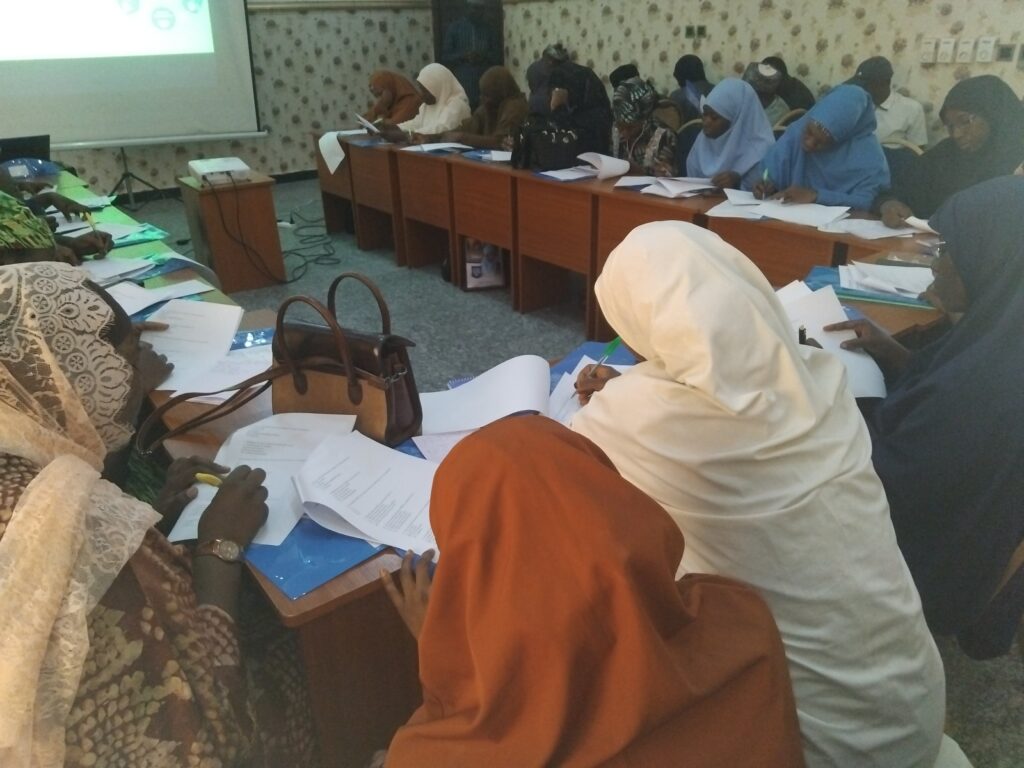
his presentation, one of the facilitators, Dr. Sani Abdulkakareem, cited findings from a 2025 systematic review and meta-analysis by Onwuliri et al., which involved approximately 86,800 patients across Nigerian hospitals. The study revealed that about 16 out of every 100 patients develop infections during hospital admission.
He noted that urinary tract infections accounted for about one-third of hospital-acquired infections, followed by surgical site infections, as well as skin and soft tissue infections.
The most commonly implicated bacteria include Proteus species, Staphylococcus aureus, Escherichia coli, Klebsiella species, and Pseudomonas.