First Batch of 300 Bauchi Women Graduate with Climate-Smart Agriculture Skills, Receive Starter Support
By Ahmed Ahmed
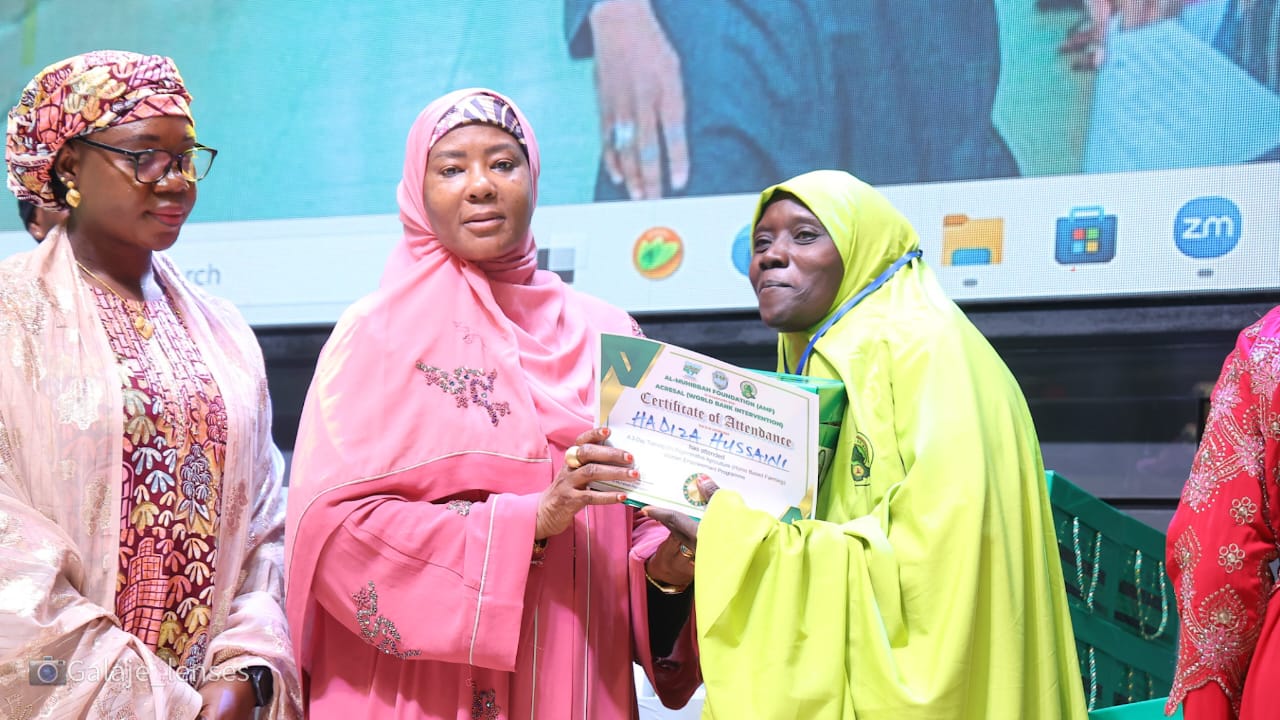
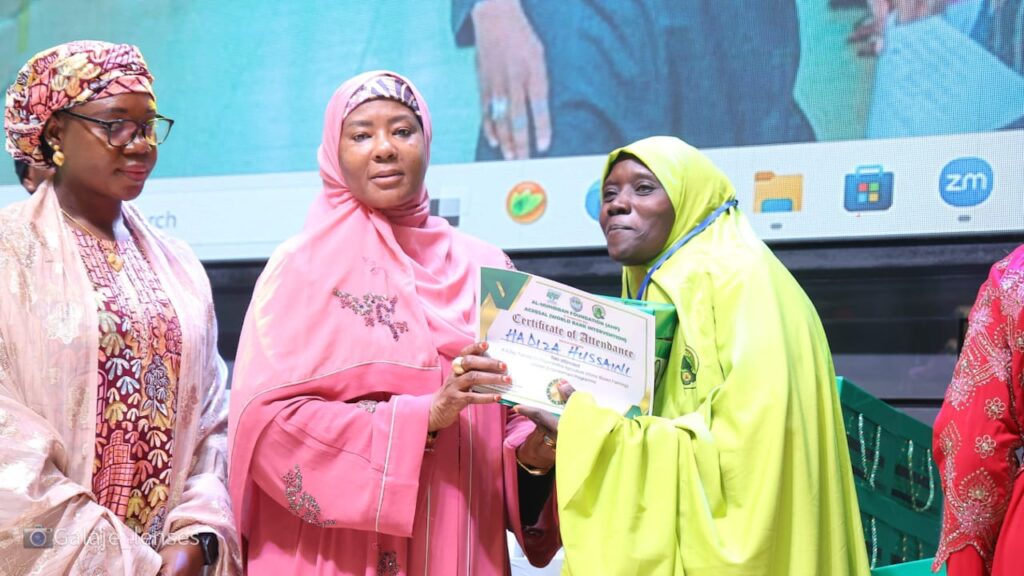
The journey toward stronger household food security and environmental resilience gained fresh momentum in Bauchi State as the first batch of 300 women graduated from a regenerative and climate-smart agriculture training programme implemented under the Agro-Climatic Resilience in Semi-Arid Landscapes (ACReSAL) project in collaboration with the Al‑Muhibbah Foundation.
The graduation ceremony marked a significant milestone in a broader initiative designed to train 600 women across the state in sustainable home gardening and climate-responsive farming techniques.
For the newly certified participants, the event symbolised not just the completion of training, but the beginning of a pathway toward improved nutrition, income generation, and long-term environmental stewardship within their households and communities.
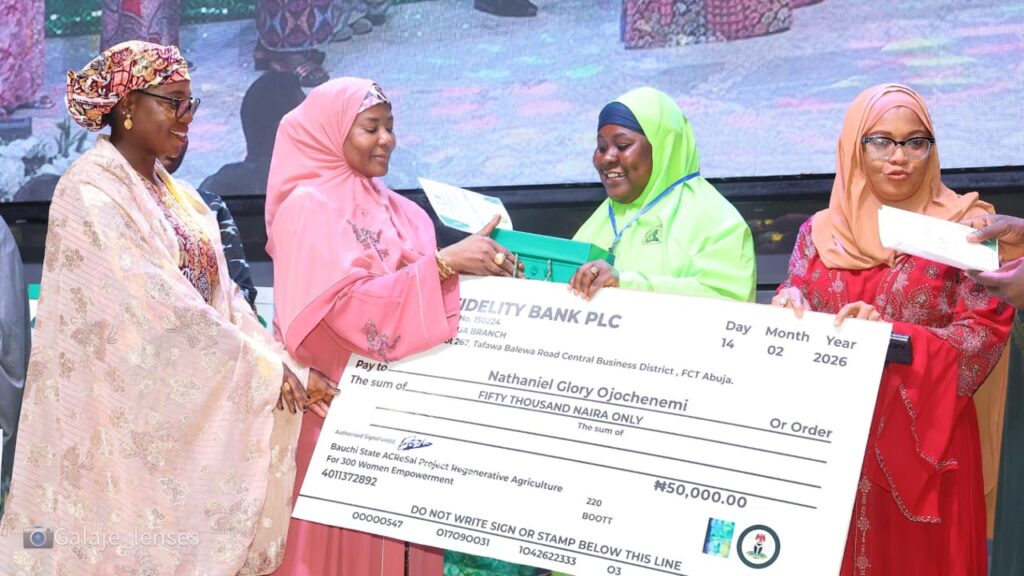
To support immediate application of the knowledge gained, each of the 300 graduates received starter packs containing cucumber and moringa seedlings, fertilisers, pesticides, sprayers, and a cash grant of ₦50,000.
The intervention supported by the World Bank—is structured to enable beneficiaries to establish productive backyard gardens capable of supplying nutritious food while generating surplus produce for sale.
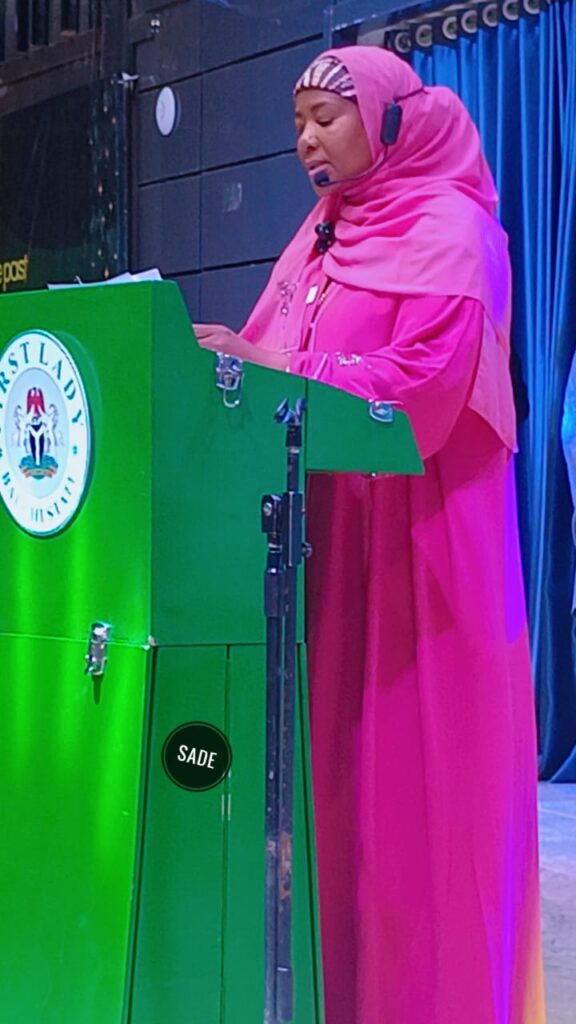
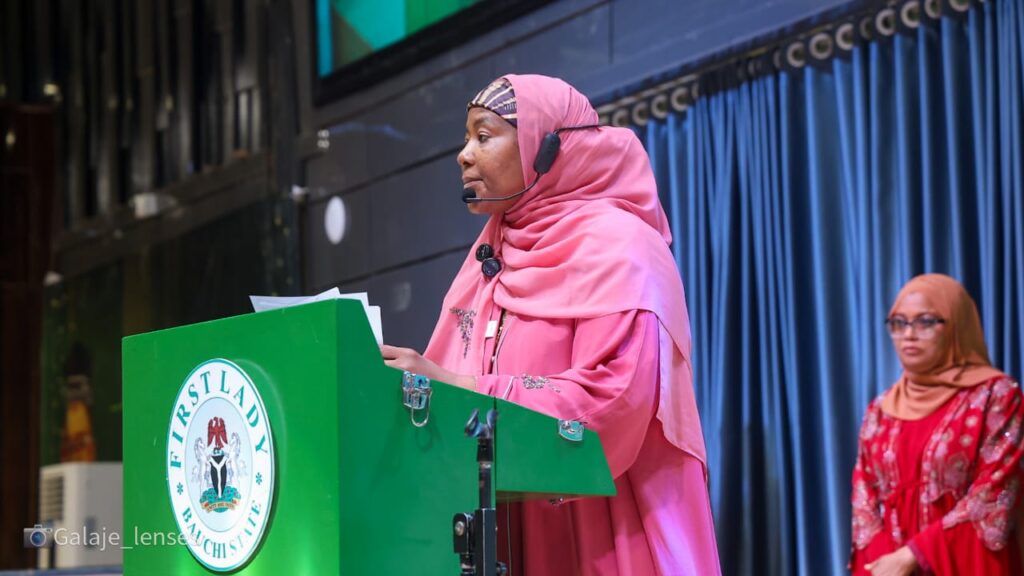
Founder of the foundation and First Lady of the state, Hajiya Aisha Bala Mohammed, described the graduation of the first cohort as a powerful demonstration of the government’s commitment to women-centred development and inclusive economic growth.
She expressed appreciation to Governor Senator Bala Abdulkadir Mohammed for sustaining policies and programmes that prioritise women’s empowerment, noting that multiple initiatives introduced by the administration were already transforming livelihoods across communities.

According to her, the successful training of the first 300 women reflects a deliberate effort to strengthen families from the grassroots by equipping women with practical, income-generating agricultural skills that also promote environmental sustainability.
She urged the graduates to put their training into practice immediately and to share their knowledge with other women in their communities so that the benefits of the programme would continue to multiply beyond the initial beneficiaries.
The First Lady also revealed her personal engagement in home gardening, inspired by national advocacy encouraging women to cultivate household food gardens as a route to healthier living, reduced food costs, and financial resilience through small-scale farming.
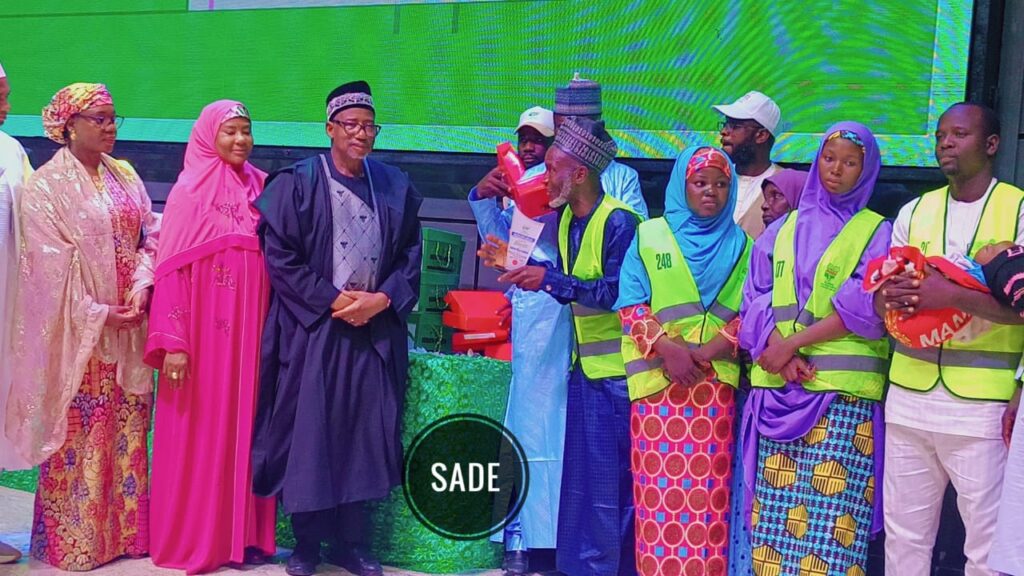
Formally declaring the first batch graduated, she congratulated the women and expressed confidence that their new skills would produce lasting social and economic benefits for families across the state.
Earlier, the Executive Director of the foundation, Dr. Ladi Ibrahim, explained that the empowerment programme was designed to equip 600 women across the 20 local government areas with regenerative agriculture knowledge and home-based food production skills.
She described the graduation of the first 300 participants as a transition from learning to real-world implementation where knowledge acquired during training would translate into improved nutrition, income opportunities, and restoration of degraded environments through sustainable farming practices.
The training modules, she said, covered organic vegetable production, seedling propagation, composting, efficient water conservation, and preparation of organic fertilisers and pesticides using locally available materials.
These approaches are intended to reduce dependence on expensive external inputs while improving soil health and ensuring safer food production.Dr. Ibrahim added that each graduate is expected to establish a functional backyard garden that will serve both household consumption and income generation purposes, while also acting as a demonstration site for peer learning among other women.
Through this ripple effect, she noted, the programme’s impact is projected to expand organically across communities.
Also speaking, Bauchi ACReSAL Project Coordinator, Dr. Kabir Ibrahim, described the first graduating cohort as the foundation of a wider strategy to reach at least 6,000 women statewide, subject to performance outcomes and measurable community impact.
He explained that beyond the graduation ceremony, beneficiaries would continue to receive technical monitoring, advisory support, and follow-up evaluation to ensure sustainability of their farming activities.

The combination of hands-on training, startup inputs, and financial grants, he said, is carefully structured to promote immediate productivity and long-term resilience.
According to him, empowering women through climate-resilient agriculture improves household welfare while stimulating local economies through surplus food production, value addition, and participation in local markets.
He emphasised that women and children remain among the most vulnerable to climate-induced food insecurity and land degradation, making targeted empowerment essential for sustainable development in semi-arid regions.For the 300 graduates,
the ceremony represented more than recognition of training completion, it marked the beginning of renewed hope. Armed with practical agricultural knowledge, essential farm inputs, and modest financial capital, the women are expected to transform small household spaces into productive gardens capable of sustaining families throughout the year.
Development observers note that when women gain access to climate-smart agricultural skills, the benefits extend beyond food production to improved child nutrition, stronger household incomes, and better community-level natural resource management.
As the first batch returns home to begin cultivation, expectations are high that their success will inspire wider participation in sustainable agriculture across the state. The experience of these pioneers is already being viewed as a model for linking women’s empowerment with climate adaptation and poverty reduction.
Ultimately, the graduation of the first 300 women stands as a defining step in Bauchi’s broader resilience journey—demonstrating how targeted investment in women, agriculture, and environmental sustainability can create lasting change from the grassroots upward.