Bauchi cuts out-of-school children by 85%, enrols 284,000 learners in statewide education drive
By Ahmed Ahmed
The Bauchi State Universal Basic Education Board (SUBEB) says Bauchi has recorded a historic turnaround in basic education, reducing the number of out-of-school children by more than 85 per cent and enrolling 284,000 learners under the 2025/2026 statewide enrolment drive.
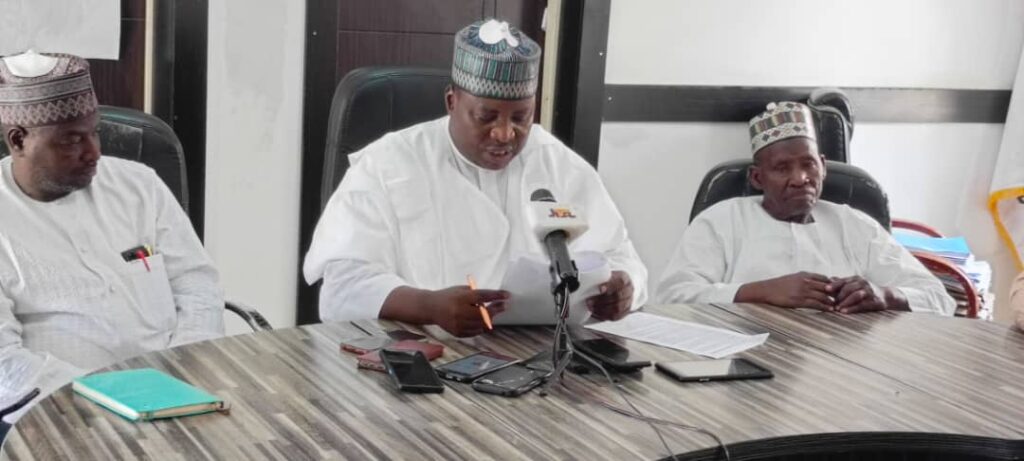
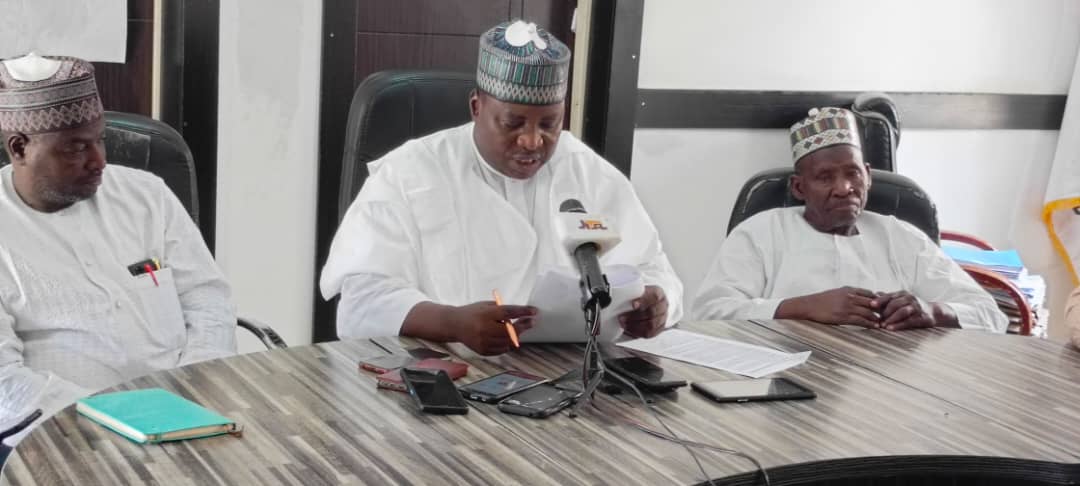
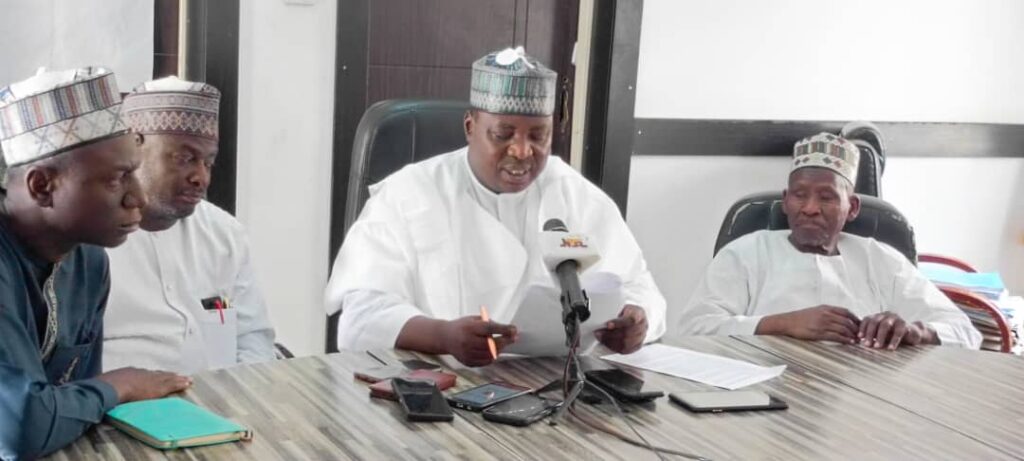
Chairman of the board, Alhaji Adamu Mohammed, represented by Permanent Secretary Abdulhamid Jibrin, disclosed this during a press briefing in Bauchi, where he commended the media for strengthening governance, accountability, and public trust through sustained engagement and scrutiny.
He said the enrollment drive marked a decisive shift from routine campaigns to a comprehensive reform programme designed to tackle long-standing structural barriers to education across the state.
According to him, Bauchi previously grappled with a deeply entrenched crisis of out-of-school children that at its peak exceeded 1.7 million, driven by systemic neglect, weak enforcement of compulsory education laws, poverty-related pressures, and socio-cultural constraints.
“Through deliberate leadership, coordinated reforms, and strong community ownership, the number of out-of-school children has now dropped to 216,000 as of Dec. 18, 2025,” he said.
The chairman noted that the reduction restored access to education for more than 1.2 million children and represented not only a statistical milestone but also a moral and social victory for the state.
He explained that although the initial enrolment target for the 2025/2026 campaign was 220,000 children, actual enrolment surpassed expectations, reaching 284,000 learners equivalent to a 129 per cent performance rate.
The success, he added, was driven by a multi-sectoral, evidence-based approach supported by attendance monitoring systems, early-warning mechanisms, and coordinated stakeholder engagement across communities.
A central pillar of the reform, he said, was the deliberate strengthening of traditional and community governance structures to ensure sustainable education outcomes beyond government institutions.
Emirate councils, district heads, ward heads, village heads, and hamlet leaders were mobilised as frontline partners in enforcing enrolment, monitoring attendance, protecting children, and promoting community advocacy for schooling.
“This approach restored accountability at the grassroots and ensured that education became a shared societal responsibility rather than a government-only obligation,” he said.
He cited Toro Local Government Area as a flagship example, where more than 35,000 children were integrated into formal classrooms from an estimated 50,000 previously out of school demonstrating the impact of localised leadership and community ownership.
The state also prioritised equity and inclusion, particularly girls’ education, through targeted interventions such as the Adolescent Girls Initiative for Learning and Empowerment and Conditional Cash Transfer programmes.
These initiatives, he said, significantly improved enrolment, retention, and transition rates for adolescent girls at upper basic and senior secondary levels, narrowing gender disparities and strengthening equitable access to education.
Beyond enrollment, the government invested in infrastructure expansion through the construction of mega, model, and smart schools, rehabilitation of existing facilities, and systematic integration of Tsangaya and Qur’anic schools into the formal education system.
He acknowledged, however, that the enrolment of 284,000 additional learners had increased pressure on infrastructure, learning resources, and teacher-pupil ratios in high-density areas underscoring the need for sustained investment in classrooms, teacher recruitment, training, and instructional support.
To consolidate progress and integrate the remaining 216,000 out-of-school children, the government is advancing new measures, including formal institutionalisation of traditional leaders within education accountability frameworks, accelerated implementation of the state ICT policy on education, and the creation of a Special Teacher Corps for rural and underserved communities.
The SUBEB chairman described the achievement as a collective success made possible by political will, clear policy direction, and sustained investment by the Bauchi State Government, alongside the cooperation of parents, guardians, community members, and development partners.
He also praised traditional rulers, religious leaders, local government authorities, teachers, and school administrators whose grassroots commitment translated policy into measurable outcomes for children.
“This shared ownership remains the strongest guarantee that the gains recorded will be sustained and expanded in the years ahead,” he said.
Mohammed emphasised that Bauchi had moved from an education system constrained by access deficits to one anchored on enrolment, retention, completion, and community participation placing the state on what he described as an irreversible path toward sustainable educational transformation, human capital development, and inclusive growth.
He thanked journalists for responsible reporting and reaffirmed the board’s openness to continued engagement before inviting questions and clarifications from members of the press.