By Ahmed Ahmed
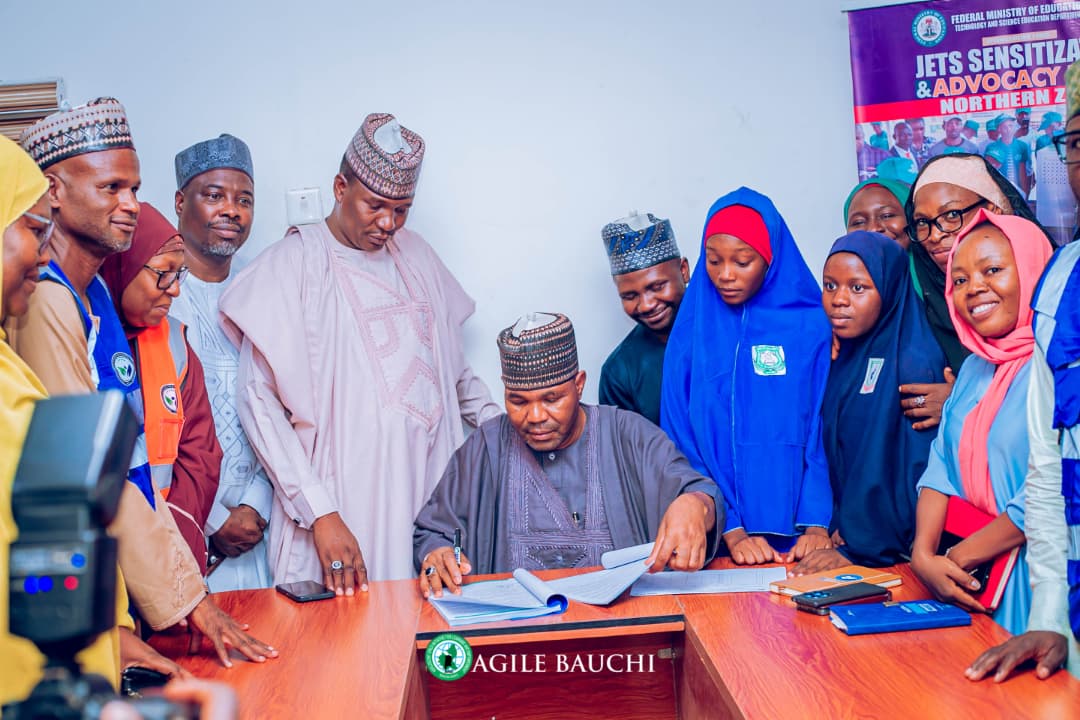
The Bauchi State Government has formally presented and signed the Gender in Education Policy aimed at promoting inclusive and gender-responsive education, including guidelines for the re-entry of pregnant and married adolescents into schools.
The policy was officially signed on March 11, 2026, at the Ministry of Education in Bauchi during a ceremony attended by government officials, development partners and civil society organisations.
This was contained in a statement issued by stakeholder, Mr. Afeso Nicholas weekend in Bauchi.
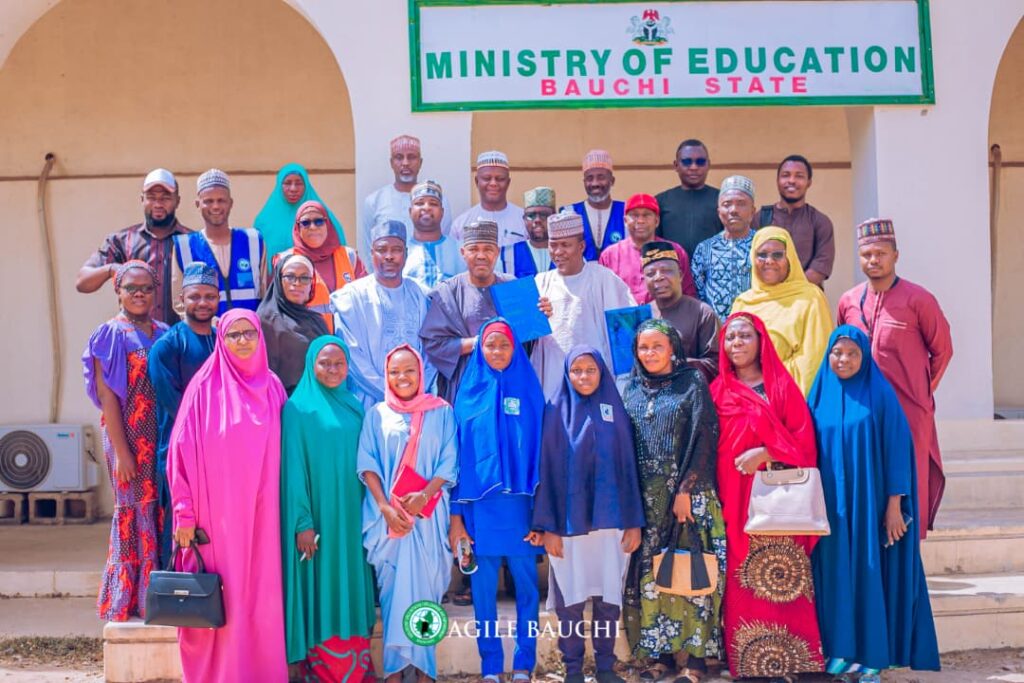
According to the statement, the event marked a significant milestone in education reform in the state as the policy seeks to address barriers affecting girls’ access to education while promoting equal opportunities for all learners.
The statement noted that the policy was developed through an extensive co-creation process that included workshops, consultations with gender experts, stakeholder forums and a validation meeting.
The initiative was spearheaded by the Young Leaders Network (YLN) with funding support from the Malala Fund and in partnership with the Adolescent Girls Initiative for Learning and Empowerment (AGILE) Project of the World Bank.
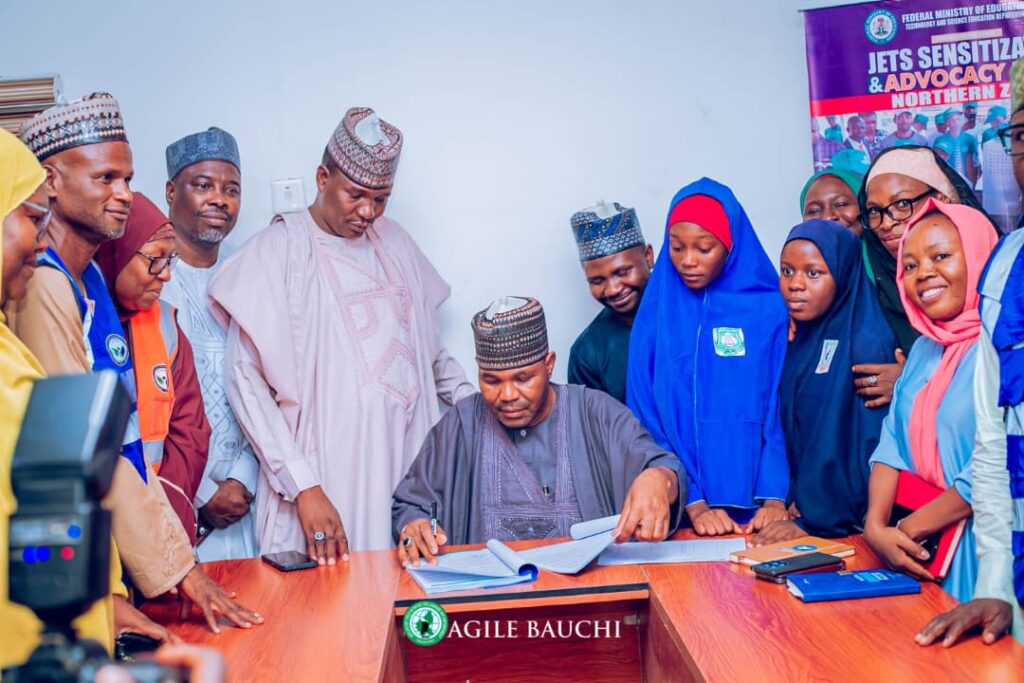
During the ceremony, the Commissioner for Education, Alhaji Abdulkadir Ibrahim, formally received and signed the policy on behalf of the state government.Members of the Bauchi State House of Assembly Committee on Education, led by its Chairman, Dr. Nasiru Ahmed Na’alah, were also present, demonstrating legislative backing for the policy’s domestication.
Executive Director of YLN and Malala Champion, Mr. Seun Justin, described the policy as a transformative framework that would guide gender-responsive planning and budgeting in the education sector.
He explained that the inclusion of re-entry guidelines for pregnant and married adolescents would help ensure that affected girls continue their education without discrimination.
The statement added that the policy implementation period would run from 2026 to 2030.
Speakers at the event emphasised the need for effective implementation, noting that the state government is expected to establish a steering committee to coordinate the process and ensure measurable progress in the education sector.