Zulum woos investors to create jobs, rebuild Borno communities
By Ahmed Ahmed
Gov. Babagana Zulum of Borno has urged the private sector to invest in the state’s post-insurgency recovery, rebuild the livelihoods of displaced persons and create employment opportunities for young people.
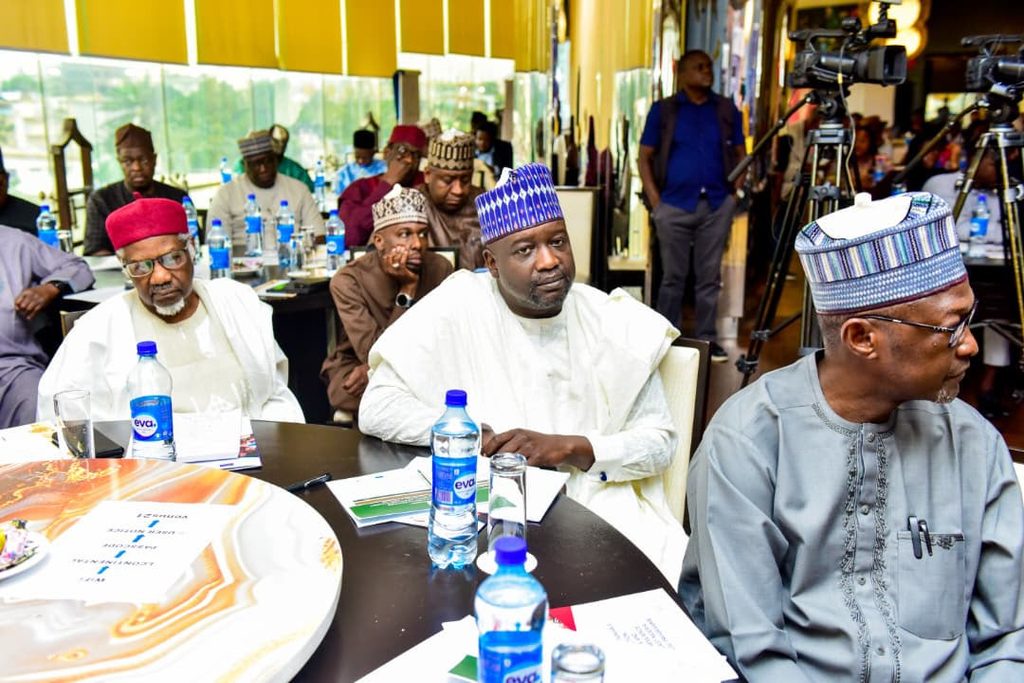
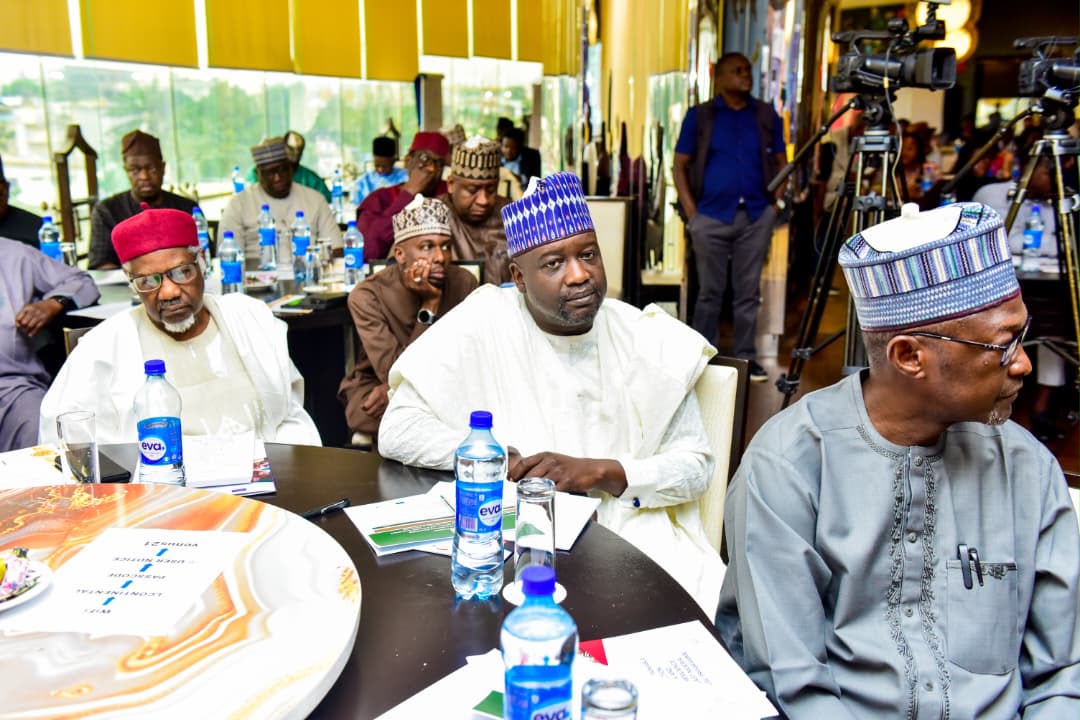
Zulum made the call on Thursday at the opening of a two-day Borno State Durable Solutions to Internal Displacement Private Sector Roundtable at the Lagos Continental Hotel, Lagos.
The meeting, themed “Mobilising Private Capital for Durable Solutions and Sustainable Development,” brought together government officials, corporate executives, development partners, philanthropies and other stakeholders.
Represented by his Deputy, Alhaji Usman Kadafur, the governor urged companies to support resettled communities, partner with vocational institutions and invest in viable businesses capable of sustaining livelihoods.
He called for concrete business commitments with clear timelines and measurable outcomes, stressing that humanitarian assistance must translate into long-term economic independence.
“A camp cannot become a permanent address. And dependence cannot be the inheritance we pass from one generation to another,” he said.
Zulum acknowledged the contributions of humanitarian organisations in saving lives during the insurgency but said sustainable recovery required families to earn incomes, access essential services and regain their independence.
He said the state’s 25-year development framework sought to transform Borno into a secure, competitive agribusiness and commercial hub through investments in agriculture, human capital, healthcare, environmental sustainability and regional trade.
The governor cited Monguno as an example of collaborative recovery, where the state government, the United Nations Development Programme (UNDP), the Federal Government, Germany and other partners supported the provision of 1,900 permanent homes and semi-permanent shelters, alongside 375 solar streetlights.
He said about 4,000 people benefited from grants, vocational training, start-up packages and agricultural inputs, with women accounting for 40 per cent of beneficiaries.
“Housing alone is not resettlement. Housing plus livelihoods, education, healthcare, security, infrastructure and economic opportunity is what turns a settlement into a community,” he said.
On education, Zulum said the administration had constructed 104 schools and rehabilitated 2,931 classrooms and related facilities by December 2025.
He added that school enrolment had exceeded 1.8 million, while the estimated number of out-of-school children had dropped below 800,000.
The governor also disclosed that about 3,000 young people graduated from nine vocational enterprise institutes and centres in 2026, receiving tools, starter packs and entrepreneurship support.
He urged businesses to channel their corporate social responsibility investments into schools, vocational centres, primary healthcare, water systems and enterprises owned by women and youths.
“I therefore propose that this roundtable must not end with photographs and communiqués,” he said.
Zulum’s Chief Adviser on Sustainable Development, Partnership and Humanitarian Support, Dr Mairo Mandara, and Acting Chief of Staff, Dr Babagana Mustapha Malumbe, reaffirmed the government’s readiness to support sustainable private-sector investments.
Participants included the Dangote Group, First Bank, UNDP, UNHCR, the International Organisation for Migration and the German Corporation, alongside senior Borno government officials.