ASUP ATAP Hosts First Conference on Economic Remodeling for Sustainable Development
By Ahmed Ahmed
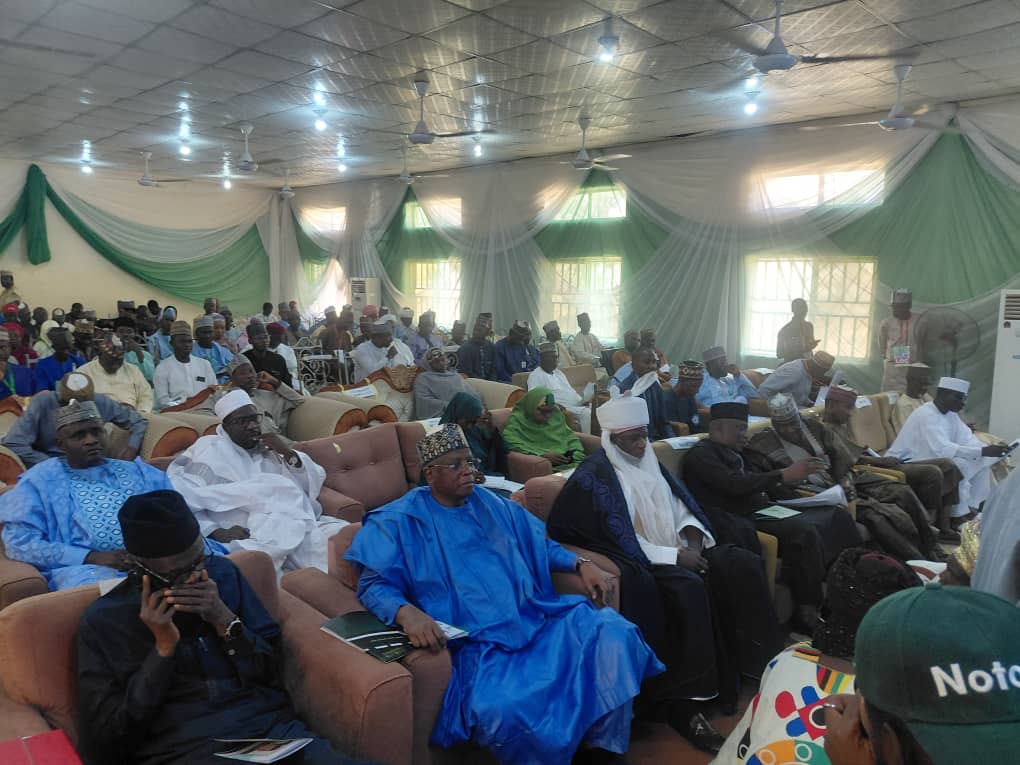
The Academic Staff Union of Polytechnics (ASUP), Abubakar Tatari Ali Polytechnic (ATAP), Bauchi Chapter, has successfully hosted its First International Conference for 2025, bringing national and international attention to the urgent need to remodel Nigeria’s economy for sustainable development.
The conference attracted academics, researchers, policymakers, and development practitioners who converged to examine Nigeria’s persistent economic challenges and propose practical pathways toward long-term growth, resilience, and inclusiveness.
Delivering the keynote address, the Guest Speaker, Dr. Musa Babayo, described the conference theme as both timely and critical, noting that Nigeria stands at a defining moment in its economic journey.
Drawing insights from African literature and folklore, he referenced Chinua Achebe’s Things Fall Apart and the parable of the tortoise who deceived the birds to attend a feast in the sky.
According to him, the story illustrates how societies and systems collapse when selfish interests, exclusion, and short-term gains override fairness, shared responsibility, and collective contribution.
Dr. Babayo argued that modern economies falter when consumption is rewarded over production and inequality is allowed to deepen.
He stressed that sustainable development can only be achieved through inclusive participation, fair economic returns, shared rules, and continuous learning, describing these principles as Nigeria’s national assignment.
Despite Nigeria’s abundant human and natural resources, he observed that the country continues to grapple with low productivity, unemployment, infrastructure deficits, currency instability, and vulnerability to external shocks, largely due to overdependence on oil revenue.
He warned that the rapidly changing global economy driven by technology, renewable energy, innovation, and skilled human capital could leave Nigeria behind without urgent reforms
He called for a shift from extractive and consumption-driven models to diversification, innovation, digital development, inclusive growth, and strong institutions.
The conference featured paper presentations and interactive discussions aimed at producing actionable recommendations to support economic reforms and sustainable national development.