Borno Intensifies Measures to Curb Flooding, Erosion
By Ahmed Ahmed
The Borno Government has intensified measures to mitigate flooding and erosion through improved drainage systems, river dredging, culvert construction, tree planting and watershed management initiatives across the state.
Mr Babagana Sa’ad, Secretary of the Borno High Court Committee on Flood and Water-Related Matters, disclosed this in an interview on Wednesday in Maiduguri.
Sa’ad said the committee, working with relevant Ministries, Departments and Agencies (MDAs), particularly the Nigerian Meteorological Agency (NiMet) and the National Emergency Management Agency (NEMA), had adopted proactive measures based on annual flood forecasts.
He said the committee had reviewed the 2026 flood outlook in collaboration with NiMet and NEMA, noting that Maiduguri was not listed among areas forecast to experience flooding, while Shani and Mobar Local Government Areas were identified as areas of concern.
According to him, the government subsequently put measures in place to minimise the impact of possible flooding in the affected areas.
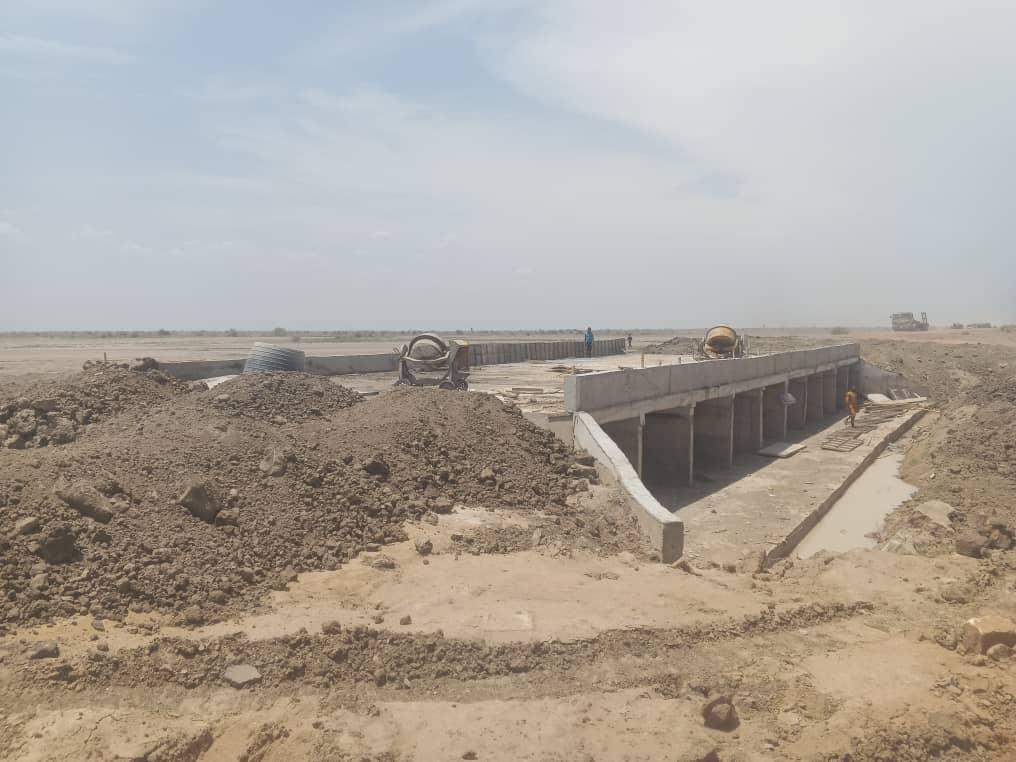
He said an enlarged culvert was constructed at Damasak in Mobar Local Government Area after assessments established that an existing culvert was undersized, contributing to recurrent flooding.
“Since after that construction, we have not had any report of flooding in Damasak,” he said.
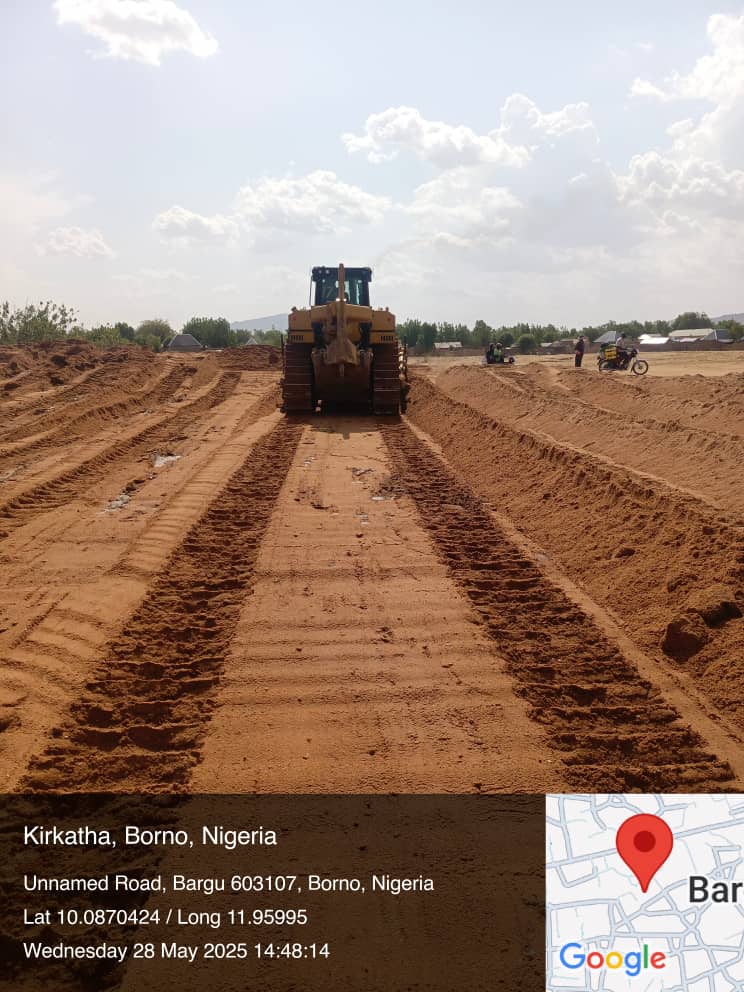
Sa’ad also said the committee established a subcommittee to assess flooding around Bargu in Shani Local Government Area, leading to the dredging of the Bargu River and removal of substantial silt to improve water flow.
He explained that the dredging had reduced the tendency of the river to overflow its banks and cause erosion.
The secretary, however, said the committee recommended the construction of Reno mattresses, a slope-protection structure used to stabilise riverbanks, to further address erosion in the area.
He said the recommendation was in the pipeline for implementation by the government.
Sa’ad said the 2024 flood also caused serious damage along the Dikwa road at Bakassi, where floodwater cut off the federal highway.
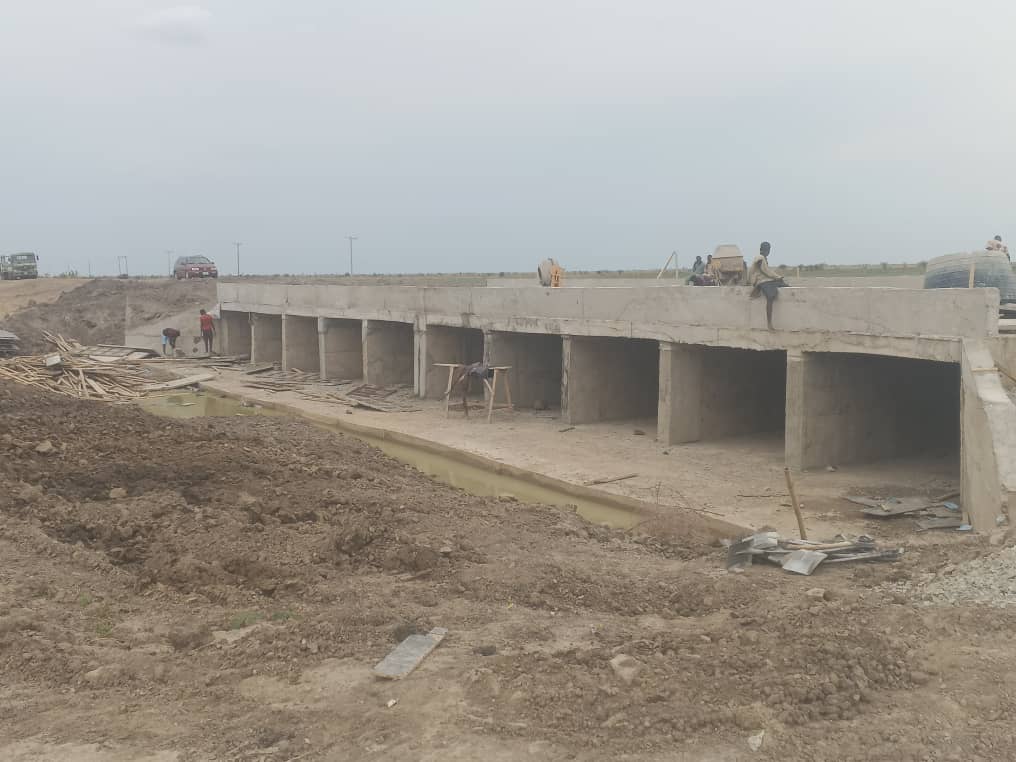
He said the state government responded by constructing a 10-cell culvert to facilitate the free passage of stormwater despite the road being under federal jurisdiction.
He added that the government had constructed several drainage systems through the Ministry of Works, Borno State Road Maintenance Agency (BORMA) and Ministry of Environment to channel runoff and reduce flooding in communities.
The committee secretary said it also identified and cleared sections of River Tiffa and River Kifi, as well as water channels from Bulunkutu and Gomari leading to River Ngada-Bul and onward through Kano Motor Park to River Yezram, to ensure free flow of water.
He said the measures were aimed at reducing flooding, erosion and associated risks to communities.
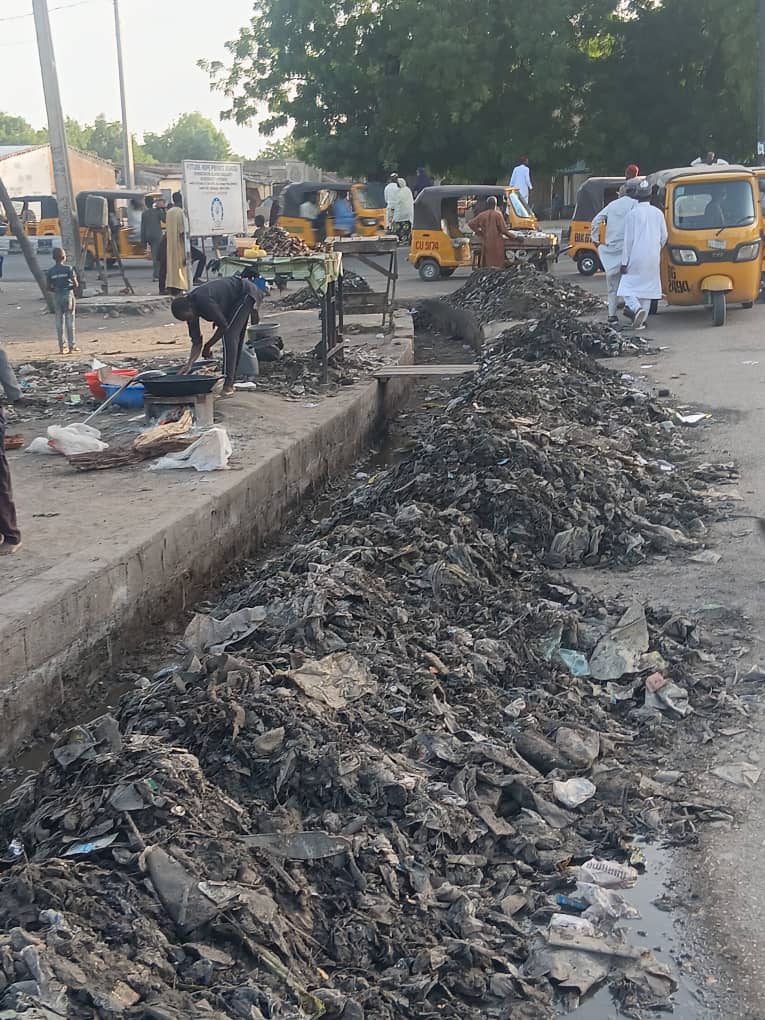
Sa’ad urged residents to complement government interventions by keeping drainage channels free of refuse, avoiding construction on waterways and supporting efforts to protect riverbanks.
He said sustainable management of waterways required cooperation between government and communities.
Sa’ad said the government was also deploying tree-planting campaigns and watershed management initiatives as part of broader efforts to control erosion and flooding.
He noted that interventions around vulnerable communities were not only infrastructure projects, but also measures to protect lives, mobility, livelihoods and economic activities.
He said continued collaboration among government agencies, traditional institutions and residents remained essential to preventing future disasters.