NHRC, UNHCR Strengthen Early Warning System to Protect Displaced Persons Across 7 States
By Ahmed Ahmed
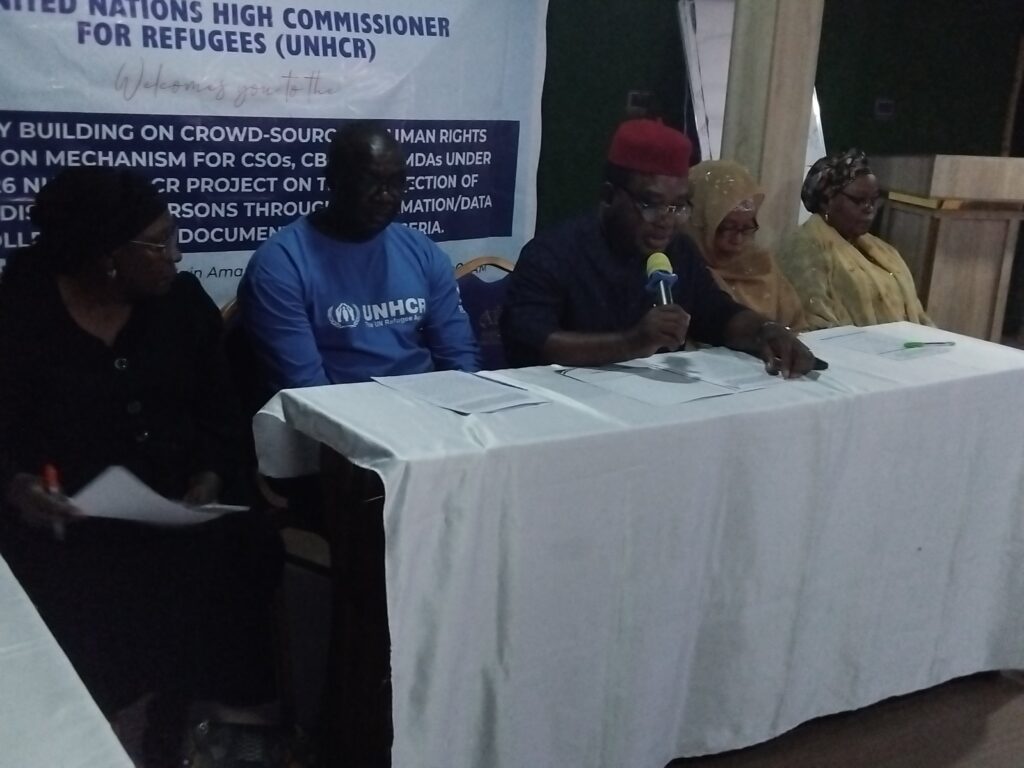
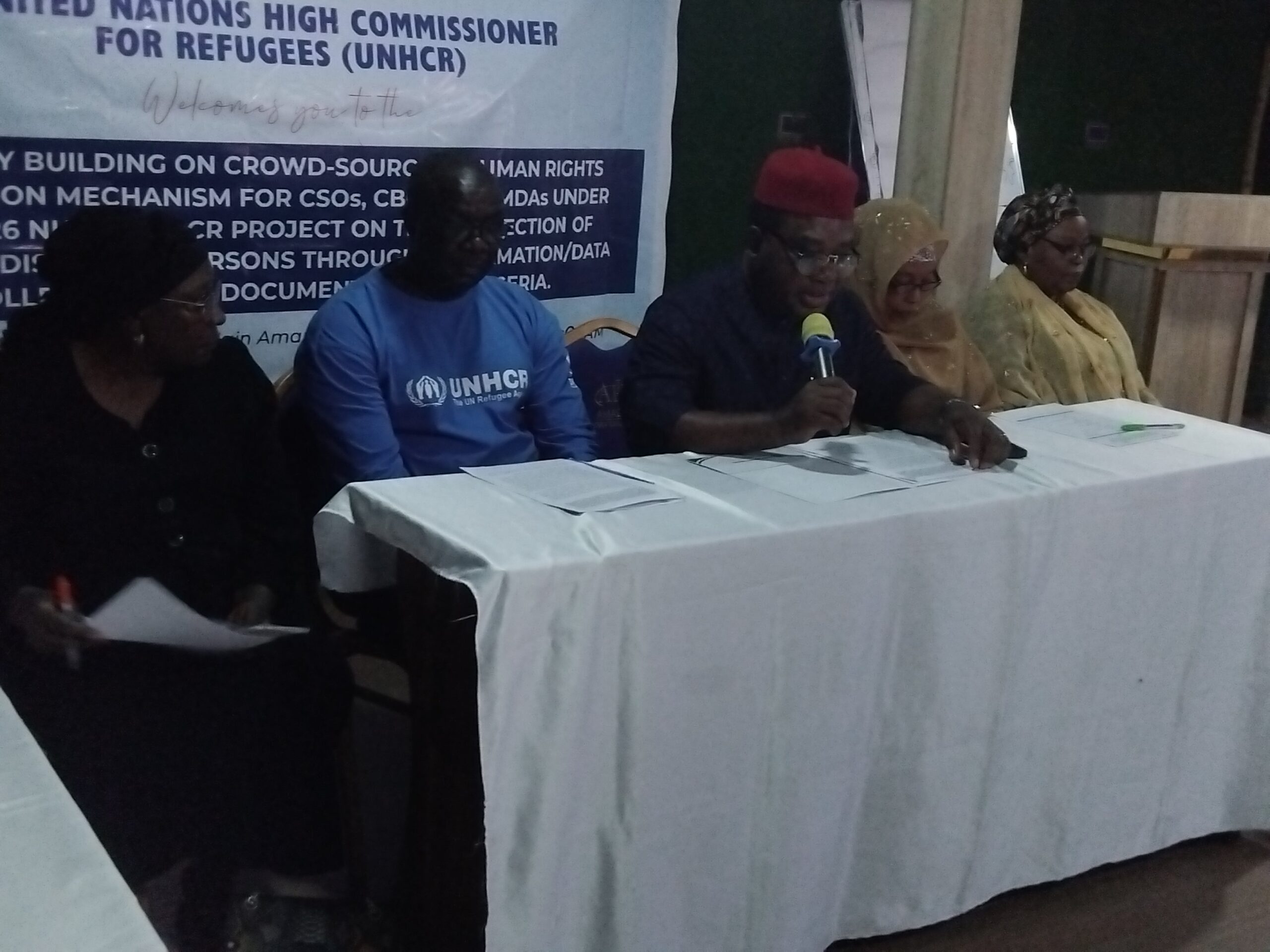
The National Human Rights Commission (NHRC), in collaboration with the United Nations High Commissioner for Refugees (UNHCR), has intensified efforts to strengthen community-based protection mechanisms for Internally Displaced Persons (IDPs) and Forcibly Displaced Persons (FDPs) through a capacity-building programme for stakeholders across seven states.
Speaking at the opening of a two-day training on crowd-sourcing network human rights protection mechanisms, the Executive Secretary of NHRC, Tony Ojukwu, said the initiative was designed to address gaps in the timely reporting and response to protection concerns affecting displaced populations.
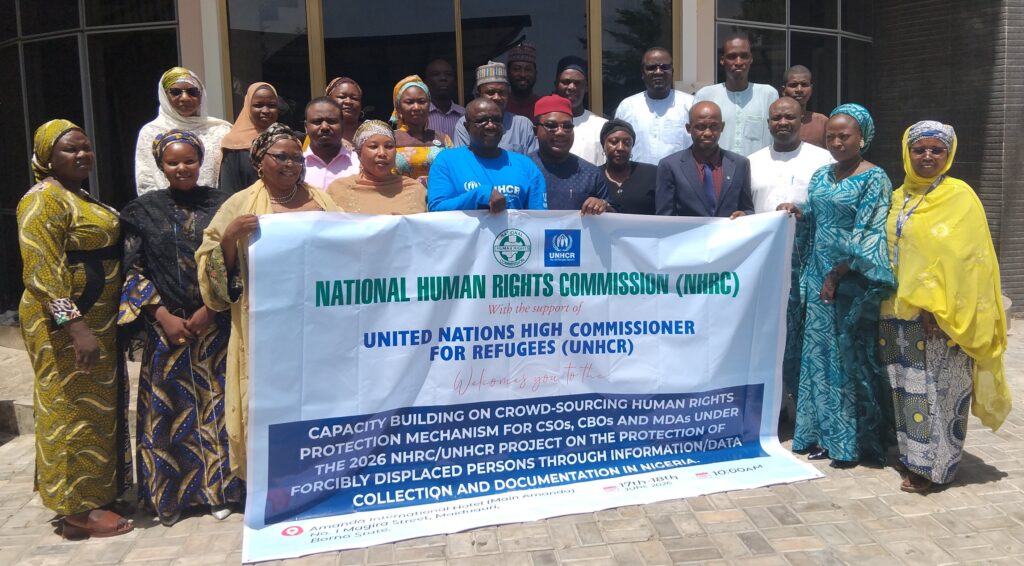
Ojukwu noted that persistent conflicts, insecurity, and displacement in states such as Adamawa, Akwa Ibom, Benue, Borno, Cross River, Taraba, and Yobe had underscored the need for verified and actionable early warning information to facilitate rapid interventions.
According to him, displaced persons continue to face numerous protection challenges, including limited access to healthcare, shelter, documentation, justice, education, freedom of movement, socio-economic rights, and exposure to sexual and gender-based violence.
He explained that the 2026 NHRC/UNHCR project seeks to improve information gathering, documentation, verification, and reporting systems to ensure swift responses to human rights violations and humanitarian protection risks.
“The whole idea is to improve the reporting and alert system so that what would ordinarily take several hours or days can be communicated within a much shorter period. Timely information and timely intervention can save lives,” he said.
Ojukwu added that the training would equip participants drawn from Civil Society Organisations (CSOs), Community-Based Organisations (CBOs), Ministries, Departments and Agencies (MDAs), Community Protection Action Groups (CPAGs), and Human Rights Monitors with skills in secure data collection, ethical verification of information, confidentiality management, and the use of digital reporting tools.
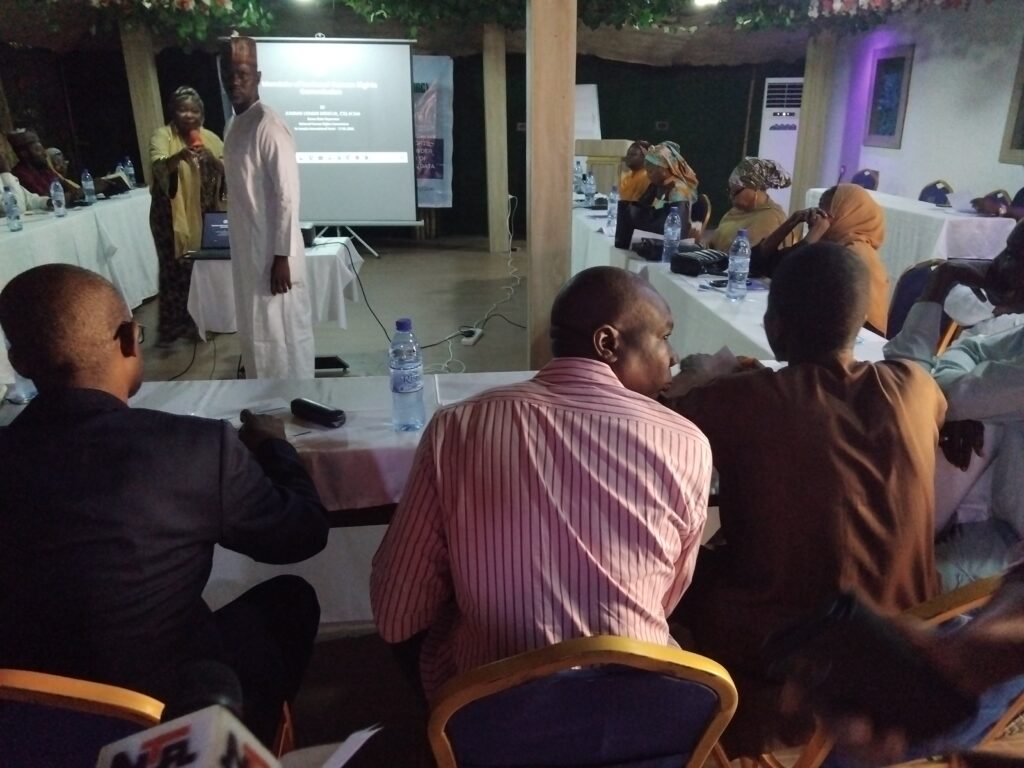
He said participants would also learn how to classify incidents into actionable alerts covering safety and security, child protection, health, education, justice, shelter, and sexual and gender-based violence.
Also speaking, Mr. Daniel Bisu, Assistant Protection Officer with UNHCR Maiduguri, urged participants to promptly report human rights violations in their communities, stressing that delays in reporting often worsen the suffering of victims.
Bisu said the training was aimed at empowering stakeholders with practical knowledge on identifying, documenting, and reporting violations through accessible and reliable channels to facilitate appropriate interventions.
Earlier, Habiba Ghana of the Borno State Ministry of Justice described the programme as a timely initiative that would strengthen stakeholders’ capacity to address human rights violations and promote the protection of vulnerable populations in their communities.