ACReSAL, Al Muhibbah training targets food security, women’s economic empowerment in Bauchi
By Ahmed Kaigama
The Executive Director of the Al Muhibbah Foundation, Dr. Ladi Ibrahim, has described regenerative agriculture as a critical pathway to food security, environmental restoration and women’s economic independence in Bauchi State.
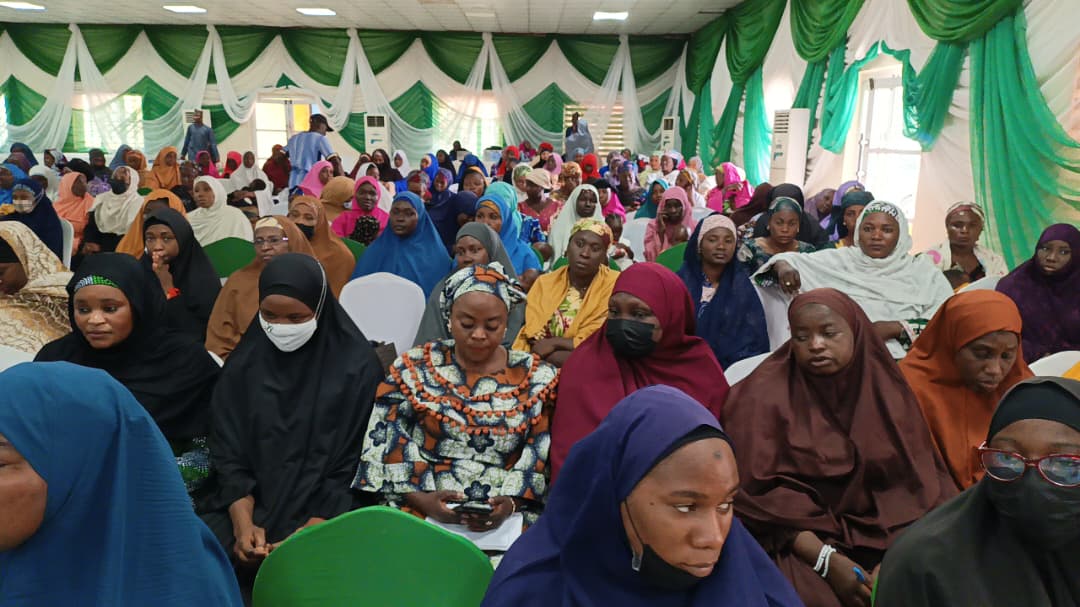
Speaking at a World Bank–supported training under the Agro-Climatic Resilience in Semi-Arid Landscapes (ACReSAL) project, on Friday in Bauchi
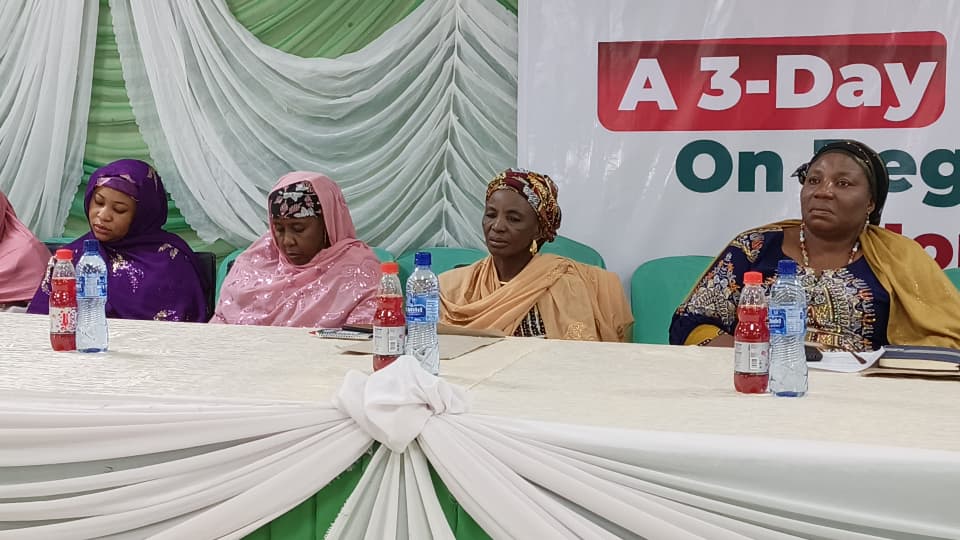
Ibrahim welcomed government officials, development partners, traditional leaders and 300 women selected from the state’s 20 Local Government Areas for hands-on capacity building in climate-smart home gardening and organic production.
She explained that the initiative, funded by the World Bank in collaboration with the Bauchi State Government and implemented by the foundation, represents more than routine training.“Today marks a movement toward resilience, food security, environmental restoration and economic independence for women across Bauchi State,” She said.
According to her, participants are being equipped with practical knowledge in climate-smart and organic cultivation of spinach and moringa, seedling production techniques, and the preparation of organic fertilisers and pesticides for both home gardens and small-scale commercial farms.
Ibrahim stressed that regenerative agriculture focuses on restoring soil fertility, conserving water and adopting sustainable farming systems capable of withstanding desertification, erosion and climate change threats common in semi-arid environments.
She noted that the 300 trainees were carefully selected as community change agents expected to establish backyard gardens, improve household nutrition, generate income and mentor at least five additional women in their localities.
“Home gardening can transform small spaces into centres of productivity, reduce food expenses, improve maternal and child health and create surplus produce for local markets,” she added.
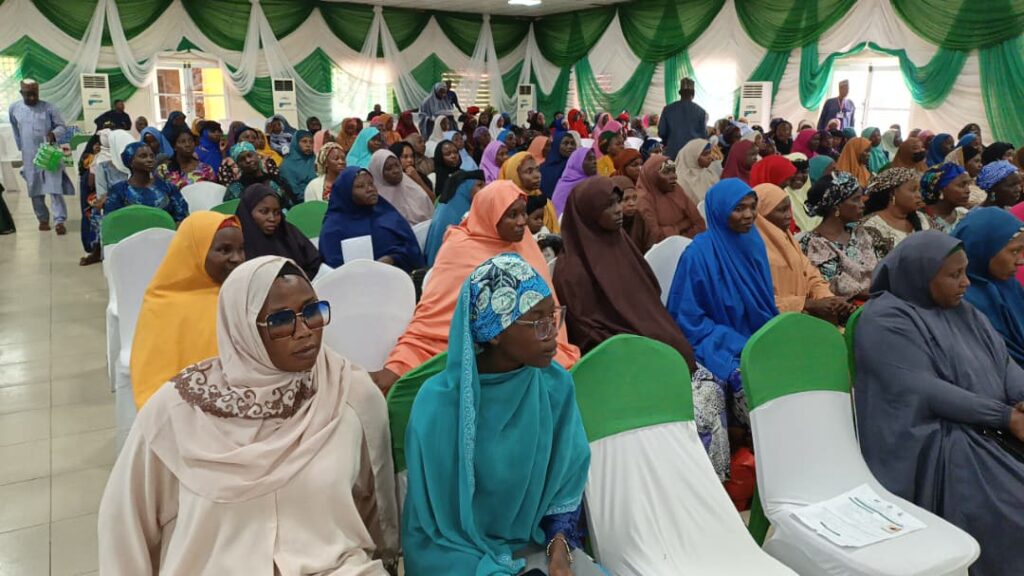
The ACReSAL Project Coordinator in the state, Dr Kabir Ibrahim, disclosed that a total of 600 women across the 20 LGAs are being trained in climate-smart agriculture to strengthen household food security and resilience to climate change.
He said the programme sponsored by Atarosa and implemented with development partners prioritises practical, home-based gardening suited to dry-season conditions when access to fresh vegetables is limited in many rural communities.
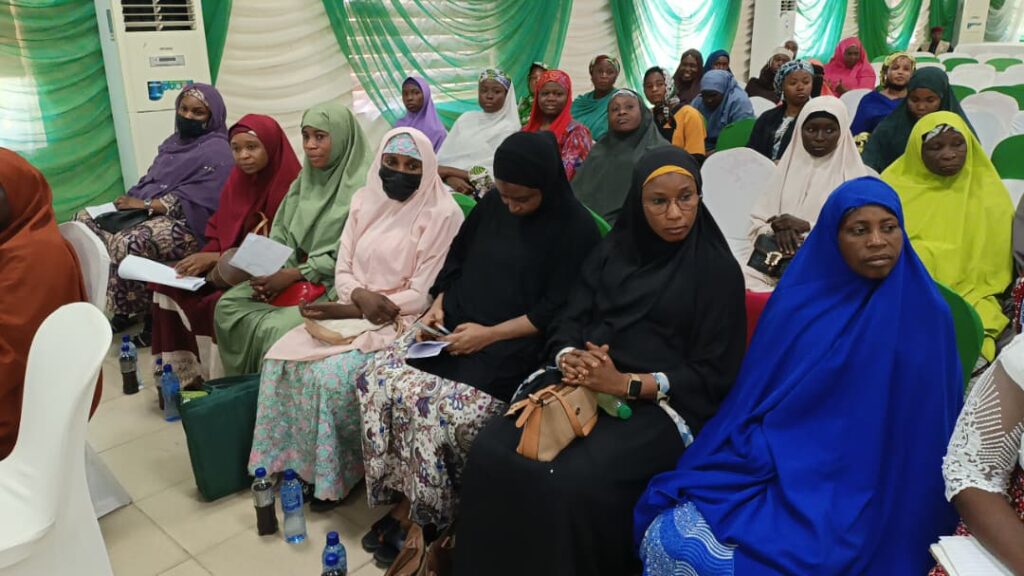
Beyond training, beneficiaries will receive start-up inputs and small grants for immediate implementation, while consultants will monitor progress and document outcomes for research and impact evaluation.
Ibrahim added that follow-up assessments would be conducted within three months to measure adoption levels, productivity and community impact, noting that the current beneficiaries represent the first phase of a broader plan to reach at least 6,000 women statewide.
He emphasised that strengthening women’s adaptive capacity to climate change would improve household welfare, stimulate local economies through produce sales and advance sustainable community development.

Both speakers commended the Bauchi State Government for prioritising inclusive climate-resilience programmes and reaffirmed their commitment to partnerships that empower vulnerable populations through livelihoods, education and environmental stewardship.
They expressed optimism that the training would contribute to poverty reduction, improved nutrition, land restoration and long-term climate resilience across Bauchi State.“When you empower a woman, you empower a generation. When you restore the soil, you secure the future,” Ibrahim said.
Speaking on behalf of the beneficiaries Ms Sadiya Hassan pledged to use the knowledge acquired to train others in their communities.
She also appreciated the Bauchi State government and the implementing partners for giving them these livelihood opportunities.