Stakeholders urge sustained supply of micronutrient supplements to tackle anaemia in pregnancy
By Ahmed Kaigama
Health and nutrition stakeholders have renewed calls for sustained government and donor support to combat anaemia among pregnant women, describing the continued availability of Multiple Micronutrient Supplements (MMS) as critical to improving maternal and child health outcomes in Nigeria.
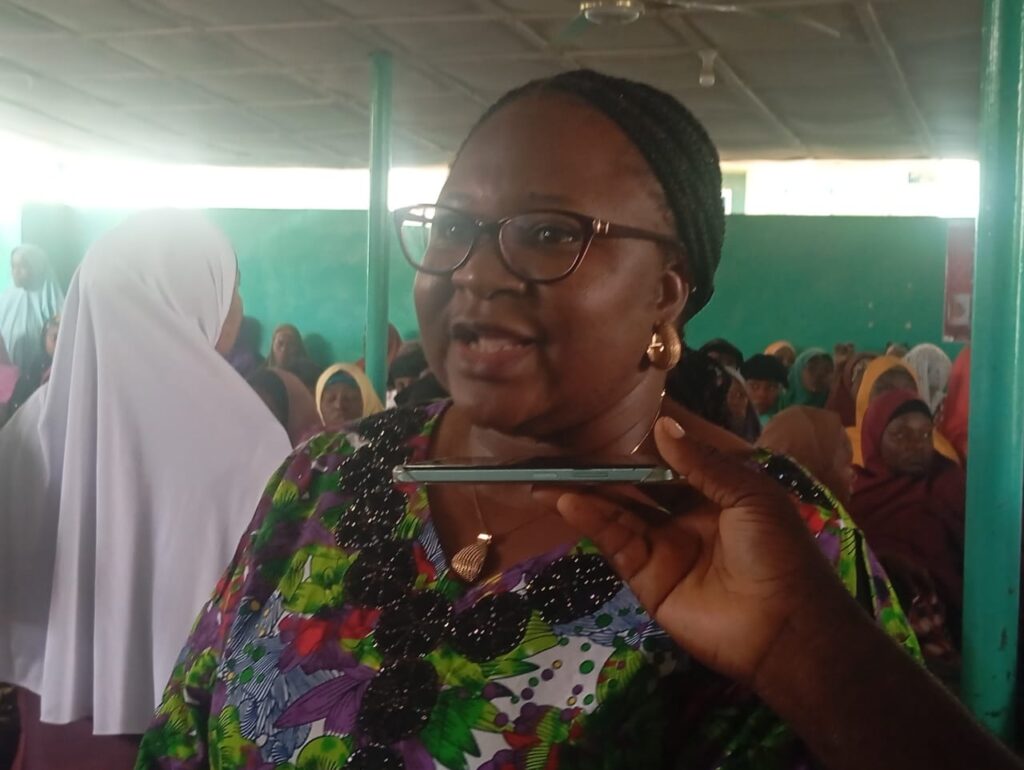
Speaking during an engagement with health workers and the media, Ms Dabis Mwalike, State Coordinator of Civil Society -Scaling Up Nutrition In Nigeria (CS-SUNN) said anaemia remains widespread among pregnant women but noted that advocacy for MMS is already yielding positive results in facilities where the supplements are accessible.
She explained that MMS contains a broad mix of essential vitamins and minerals helps reduce cases of low birth weight while strengthening the overall health of mothers and newborns.
According to her, women attending antenatal care in several facilities are already receiving the supplements, a development she described as encouraging.
“MMS has come to stay,” she said, urging governments, partners and donors to sustain the supply of the commodities to prevent avoidable maternal and infant health complications.
Also speaking, media advocate Elizabeth Kah underscored the crucial role of journalists in promoting awareness about MMS and ensuring accountability in the health system.
She noted that many pregnancy-related complications including fatigue, dizziness, blood loss at delivery and low birth weight are closely linked to untreated anaemia.
Kah said consistent media coverage could help educate women on the importance of taking MMS throughout pregnancy while also drawing attention to stock-out situations in health facilities.
“The media must continue to create awareness and hold authorities accountable so that pregnant women do not lose access to life-saving supplements,” she said, adding that storytelling from beneficiaries could further strengthen public understanding and acceptance.
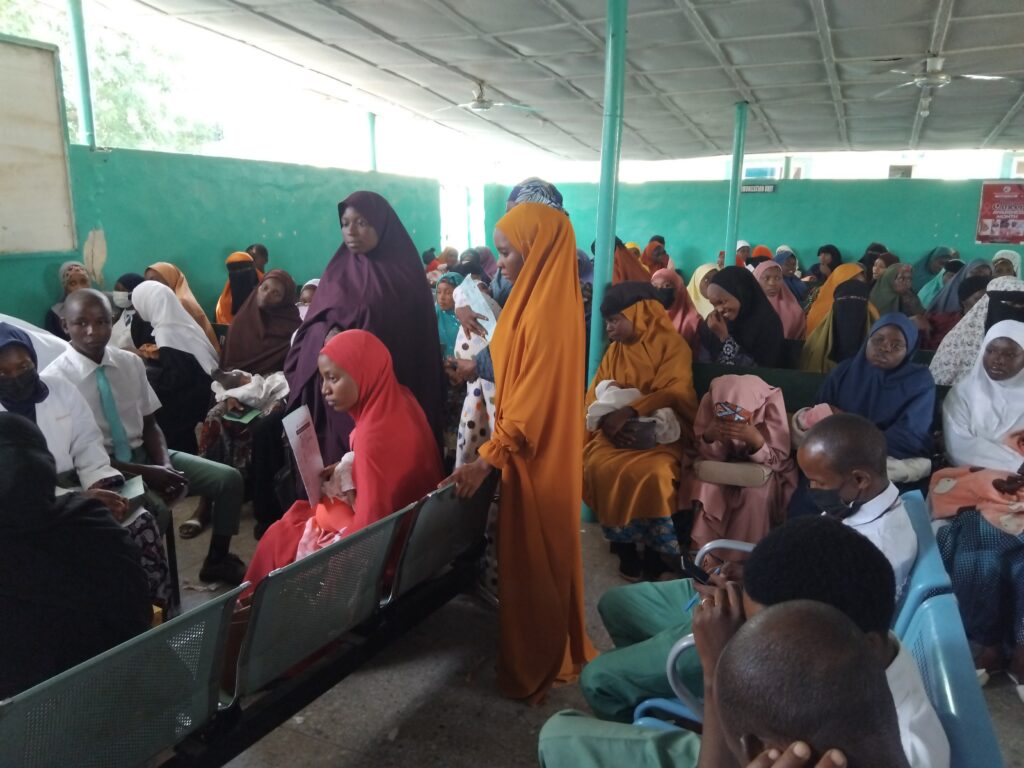
At the primary healthcare level, service providers report fluctuating antenatal attendance and emerging supply concerns.
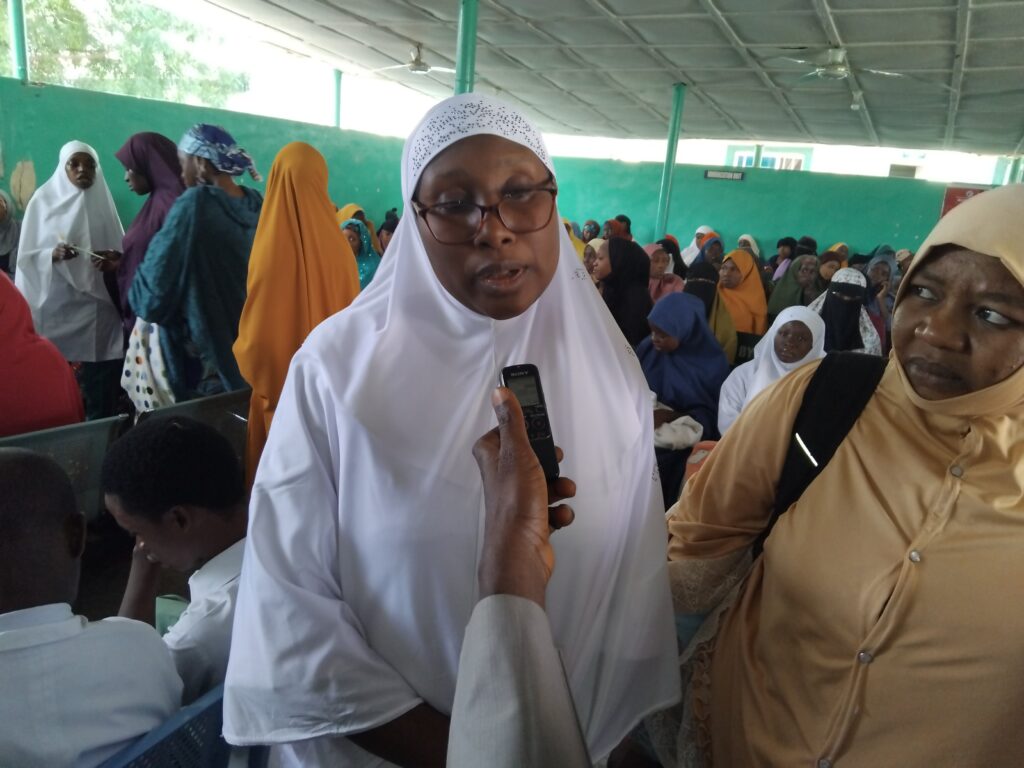
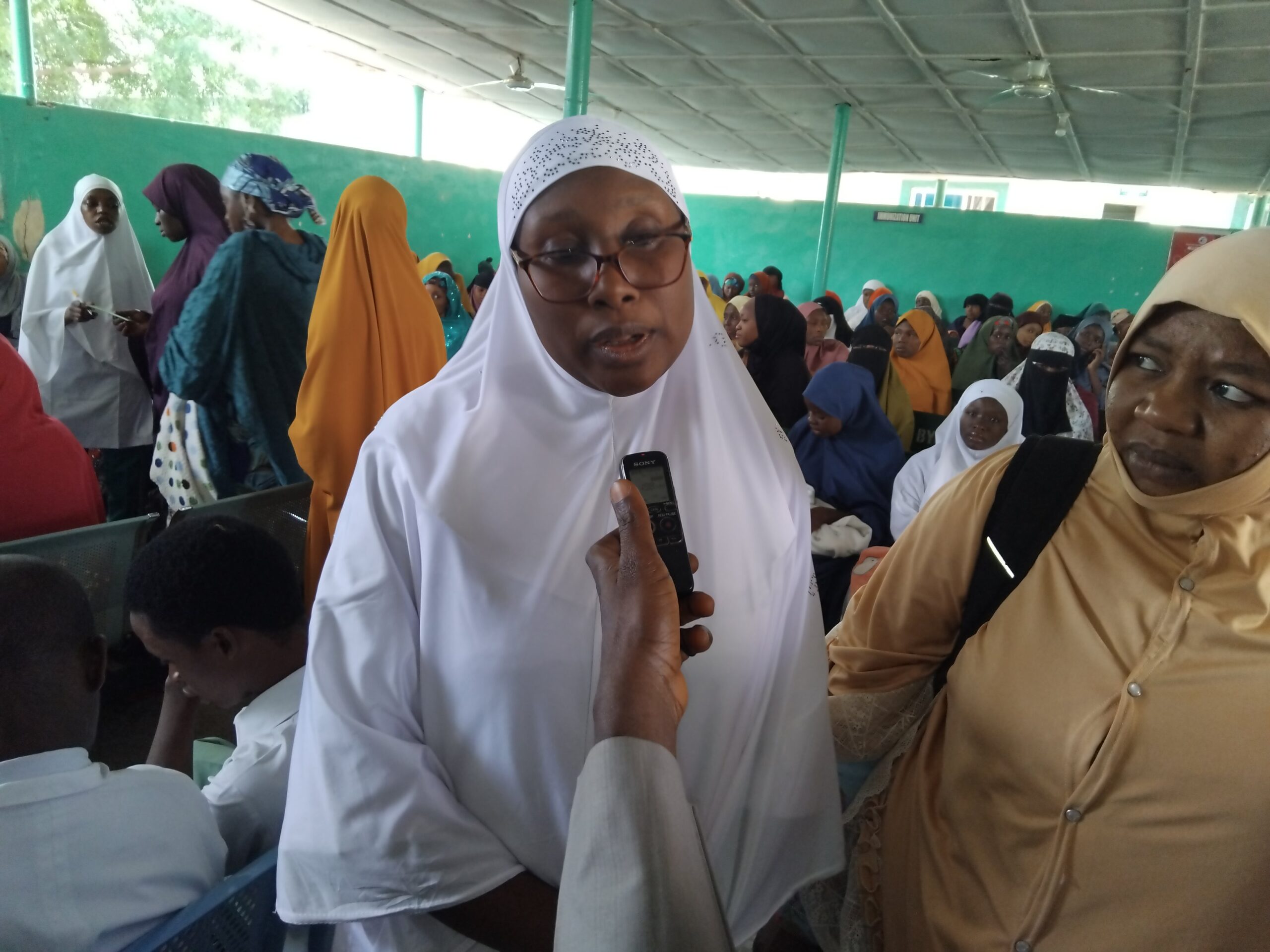
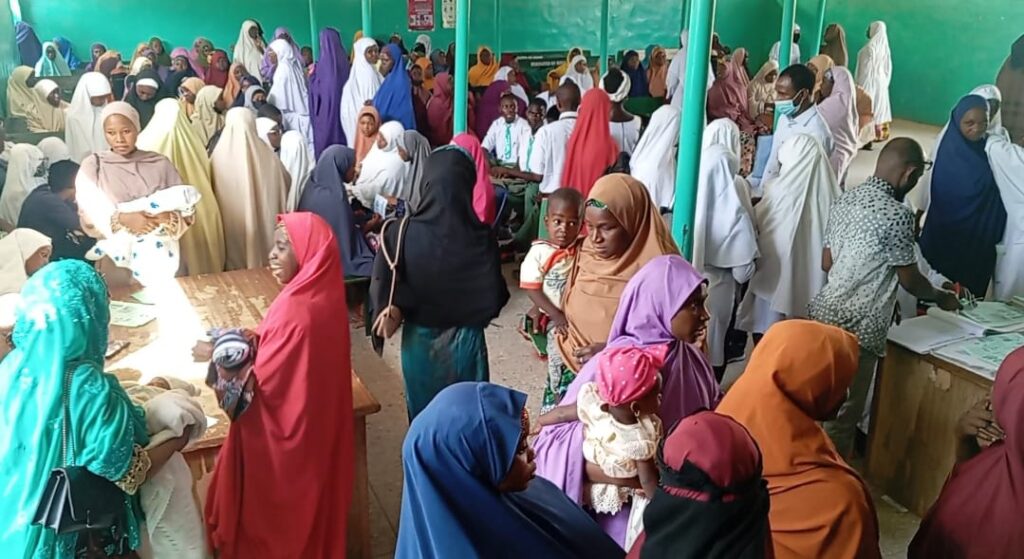
The Facility-in-Charge of PHC Kofar Ran, Hauwa Yohanna Adamu, said the centre receives between 70 and 160 women on clinic days, depending on booking schedules and revisit appointments.
She disclosed that while MMS had previously been distributed to clients, the facility is currently experiencing stock shortages for newly registered pregnant women.
In the interim, health workers provide iron and folic acid supplements alongside dietary counselling to help women maintain healthy blood levels.
Adamu estimated that anaemia affects roughly 30 per cent of pregnant women attending the facility, though the rate had declined during periods when MMS was readily available.
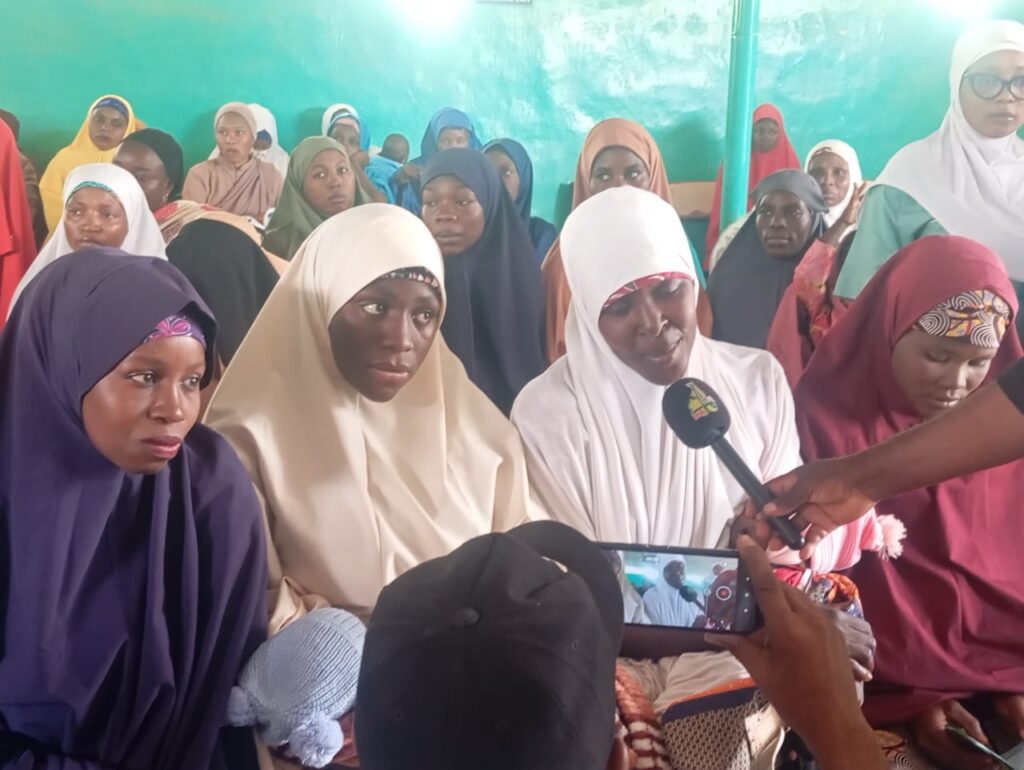
She noted that MMS is often easier for women to tolerate compared with other supplements, leading to better compliance and improved outcomes.Beyond supplementation,
She advised expectant mothers to prioritise balanced nutrition using locally available foods such as leafy vegetables, beans and moringa, which can support blood production and fetal development.
Stakeholders agree that ensuring uninterrupted access to MMS combined with sustained public awareness and nutrition education could significantly reduce preventable maternal and newborn health risks across the country.
They warn, however, that without coordinated action to address supply gaps and strengthen community education, progress in reducing anaemia during pregnancy may stall, placing vulnerable mothers and infants at continued risk.